
Habit Correction for Children
Thumb sucking, pacifier use and other oral habits are part of childhood for many families. At IAMC, our paediatric dentist helps parents understand when a habit needs attention and guides children towards positive, age-appropriate changes that support healthy dental development.

Understanding childhood oral habits
Thumb or finger sucking, pacifier use and particular tongue positions are common during childhood. Many children naturally stop these habits as they grow. However, habits that continue frequently or exert sustained pressure may be associated with changes in the position of teeth or the way the upper and lower teeth meet.
At IAMC, habit correction begins with understanding your child—not automatically fitting an appliance. Our paediatric dentist evaluates the habit, its frequency and intensity, dental development, and whether any change or treatment is actually needed.
Habits we can help assess
Different oral habits need different approaches. What matters most is the child's development and whether the habit is causing—or is likely to contribute to—a dental concern.
When should parents seek an assessment?
Not every oral habit requires intervention. Consider a dental review when you notice:
- Thumb or pacifier sucking that persists as permanent teeth approach eruption, particularly when it is strong or frequent.
- A visible gap between the upper and lower front teeth when your child bites together.
- Front teeth that appear to protrude or an upper dental arch that seems narrow.
- A crossbite, unusual bite, change in chewing pattern or difficulty closing the lips comfortably.
- A habit your child wants help stopping, but finds difficult to manage alone.
- Persistent mouth breathing, snoring or related symptoms requiring additional evaluation.
How can oral habits influence growing teeth?
Sustained forces on developing teeth can be associated with particular bite patterns. These findings are not proof that a habit caused the problem; jaw growth, genetics and other factors may also play a role.
The upper and lower front teeth do not meet when the back teeth bite together.
The upper front teeth sit further forward relative to the lower front teeth.
Some upper back teeth close inside the lower back teeth rather than outside them.
Resting position, oral function and other symptoms may need a wider assessment.
When a habit ends, some bite changes may improve as a child develops, while others remain and require further evaluation. Early assessment helps parents understand the most appropriate next step without assuming that braces or an appliance are inevitable.
What happens at an IAMC habit-correction consultation?
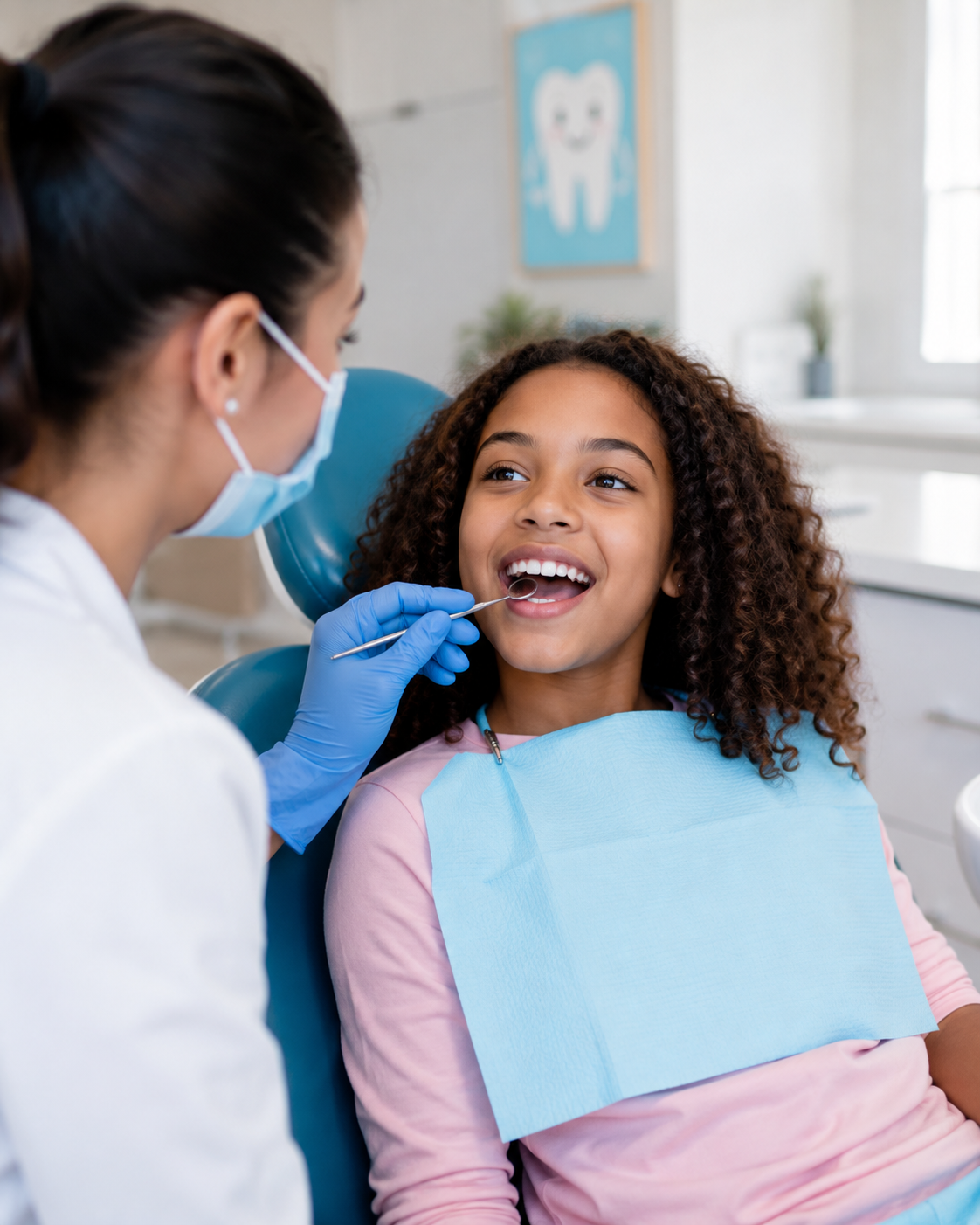
We aim to make the consultation relaxed, supportive and easy for children and parents to understand. A typical visit may include:
- Listening to your concernsWe discuss which habit you have noticed, when it happens, what comforts or triggers the child and whether the child wants to change it.
- Checking the teeth and biteOur paediatric dentist examines tooth eruption, jaw relationships, spacing, gum and tooth health, and signs of unwanted pressure.
- Assessing function and relevant symptomsWe consider tongue and lip posture, chewing or speech concerns and whether snoring or nasal symptoms warrant medical referral.
- Explaining the findingsWe show you which changes matter, which may be monitored and whether additional orthodontic or other professional assessment is recommended.
- Making a practical planTogether we agree on age-appropriate encouragement, family strategies and—only where suitable—further treatment options.
- Reviewing progressFollow-up visits assess whether the habit is reducing and how the teeth and bite are developing.
Habit-correction options: from guidance to appliances
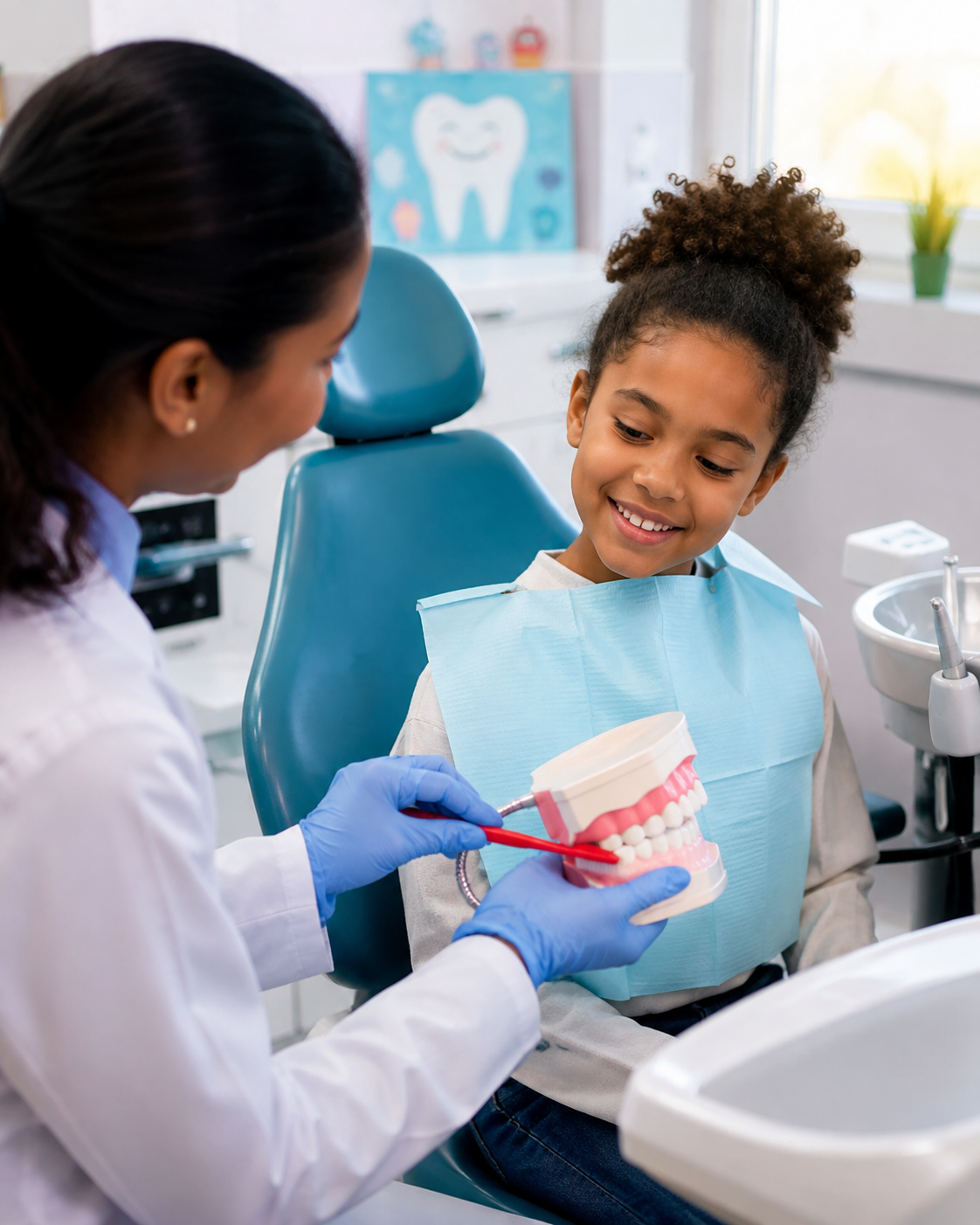
There is no universal solution for childhood oral habits. Treatment is based on the specific behaviour, the child's age and motivation, the examination findings and the expected benefit.
How parents can help at home
Support and consistency often matter more than pressure. Small, sustainable changes can be easier for a child to maintain than a sudden, strict rule.
Notice the pattern
Observe when the habit happens and what your child may need at that moment, such as comfort or a calming routine.
Make a shared goal
Use praise, gentle reminders and child-chosen rewards to acknowledge progress instead of criticising setbacks.
Keep in touch
Follow the recommended review plan so progress and developing teeth can be checked at appropriate intervals.
Consider offering a comforting bedtime activity, keeping hands busy during routine situations or making a simple progress chart if the child finds it motivating. Avoid unapproved products, restraints or punitive approaches. Every child progresses differently.

What progress can families expect?
Improvement often starts with reducing how frequently or intensely a habit occurs. The time needed varies with the child's age, motivation and circumstances. Dental changes do not always reverse immediately once the habit stops.
- Children may gradually reduce habit frequency before stopping completely.
- Some developing bite changes can improve after a habit ends, while others may require separate orthodontic review.
- We monitor teeth, jaw development and oral comfort at appropriate follow-up visits.
- Families should report discomfort from any appliance, persistent worsening bite concerns or significant breathing or sleep symptoms promptly.
Why choose IAMC for your child's habit correction?
From gentle advice to monitoring growing teeth, IAMC combines paediatric dental care and family-centred guidance. We focus on identifying what matters, choosing an appropriate plan and supporting children as they grow.
Dedicated Paediatric Dentist
Your child's oral habits, teeth and growing jaws can be assessed by our paediatric dentist using a gentle, age-appropriate approach.
Supportive, Child-Friendly Guidance
We aim to encourage progress without blame or embarrassment, helping your child feel involved rather than pressured.
Careful Growth and Bite Assessment
We review the relationship between the habit, tooth position, dental eruption and bite before deciding whether intervention is necessary.
Personalised Behavioural Support
Our advice considers your child's age, motivation, family routine and habit triggers, with practical steps that fit real life.
Coordinated Care When Needed
When indicated, we can advise on orthodontic assessment or appropriate medical and ENT review for persistent breathing or airway concerns.
Ongoing Reviews for Growing Smiles
Follow-up visits help monitor habit changes, developing teeth and whether further guidance or treatment is needed.
Frequently asked questions
Is thumb sucking always harmful?
No. Sucking habits are common in younger children. Concern depends on age and the frequency, intensity and duration of the habit, as well as whether there are visible bite changes.
When should my child stop using a pacifier?
The timing should account for your child's age and comfort needs. Persistent pacifier use as teeth and jaws develop is a good topic for discussion with our paediatric dentist; an individual, supportive plan is preferable to a punitive one.
Does every child with a sucking habit need an appliance?
No. Many children improve with reassurance, positive reinforcement and practical routines. An appliance is considered only for selected cases after examination and discussion.
Can thumb sucking cause an open bite?
Long-standing, frequent sucking is associated with changes such as anterior open bite and increased overjet. Not all children develop these problems, and other factors may also affect tooth position.
What if the teeth have already moved?
Some changes improve when the habit stops during growth. Others may remain and need orthodontic evaluation. A dental examination helps clarify the outlook.
Is tongue thrusting always a problem?
No. Tongue movement during swallowing alone does not necessarily require treatment. Resting tongue position, bite findings and functional concerns are more informative and should be assessed clinically.
Can a dental appliance fix mouth breathing?
Not reliably, because persistent mouth breathing may reflect a nasal or airway condition. Children with regular mouth breathing, snoring or possible sleep-related breathing problems should receive appropriate medical assessment.
Will habit correction hurt?
Most counselling and behavioural strategies do not involve a procedure. If a removable or fixed reminder appliance is selected, it may feel unfamiliar initially; persistent soreness, broken parts or problems eating should be reviewed.
How long does habit correction take?
There is no fixed timeline. Age, willingness to change, environmental triggers and the type of habit influence progress. Follow-up is tailored to the child.
Can habit correction help avoid braces later?
Addressing a harmful habit may reduce its ongoing effects, but it does not guarantee that orthodontic treatment will never be needed. Tooth position and jaw growth have several influences.
Can my child see the paediatric dentist first?
Yes. Our paediatric dentist can assess the habit and developing teeth, explain practical steps and advise whether specialist orthodontic or medical review is appropriate.

Help your child build healthier oral habits.
Book an IAMC consultation to discuss your child's habit, developing bite and practical ways to support positive progress.