
Children's Braces & Orthodontic Care
From early bite guidance to braces for growing patients, IAMC helps families understand how teeth and jaws develop and when orthodontic treatment may be beneficial. Our child-focused approach combines careful assessment, personalised options and guidance at every step.
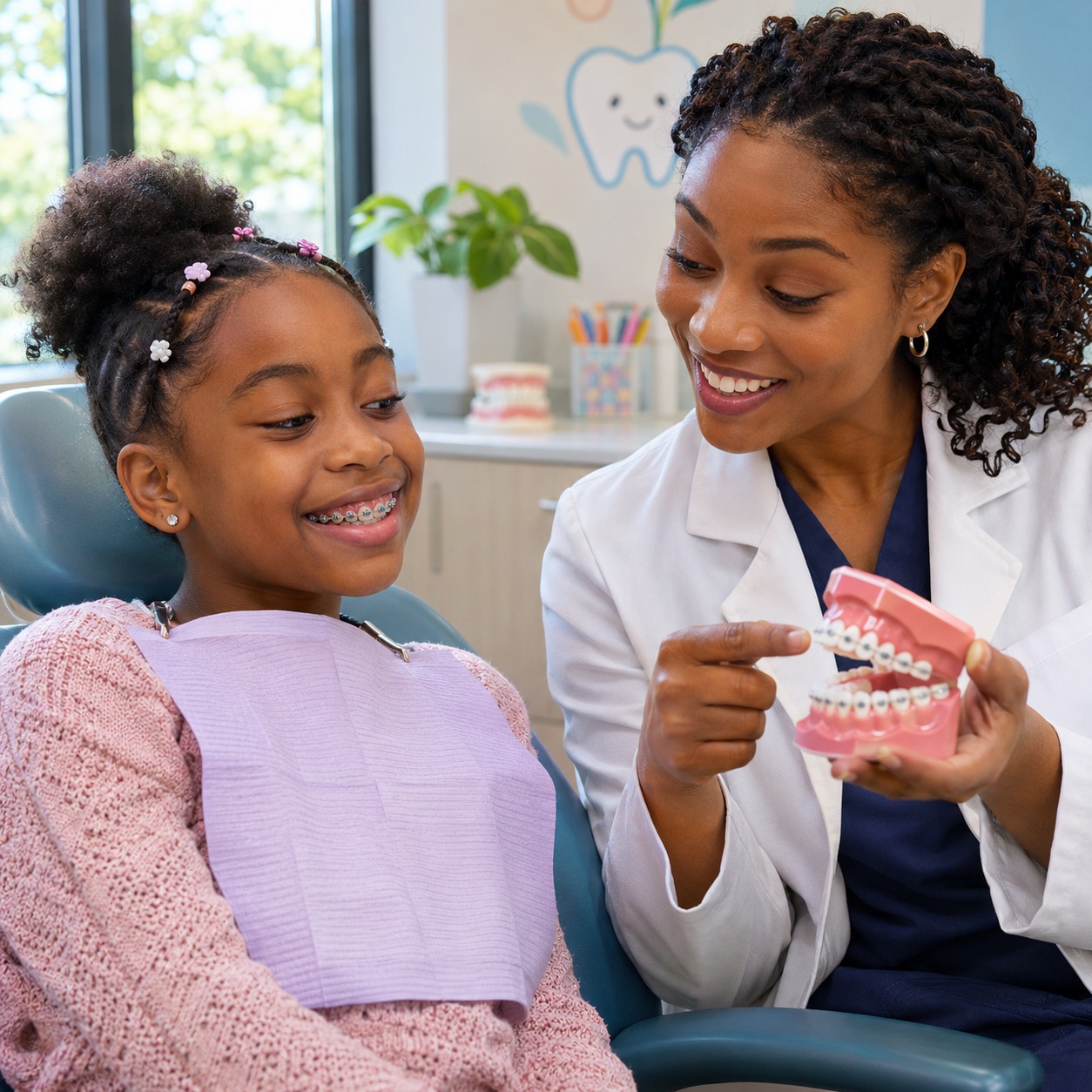
Orthodontic care for growing children
Children's orthodontic treatment helps address selected problems with tooth alignment, bite relationships and jaw development while a child is growing. Treatment may involve braces, an expander, a removable appliance or other techniques, depending on the diagnosis and dental development.
An early review does not automatically mean immediate braces. Many children need periodic monitoring while permanent teeth appear. Others benefit from interceptive treatment that addresses a specific developing problem. Comprehensive braces may be most appropriate once more permanent teeth have erupted.
Which children might benefit from orthodontic care?
A child may be referred for an orthodontic opinion when the way teeth fit together or grow creates a functional, dental-health or alignment concern. Common reasons for assessment include:
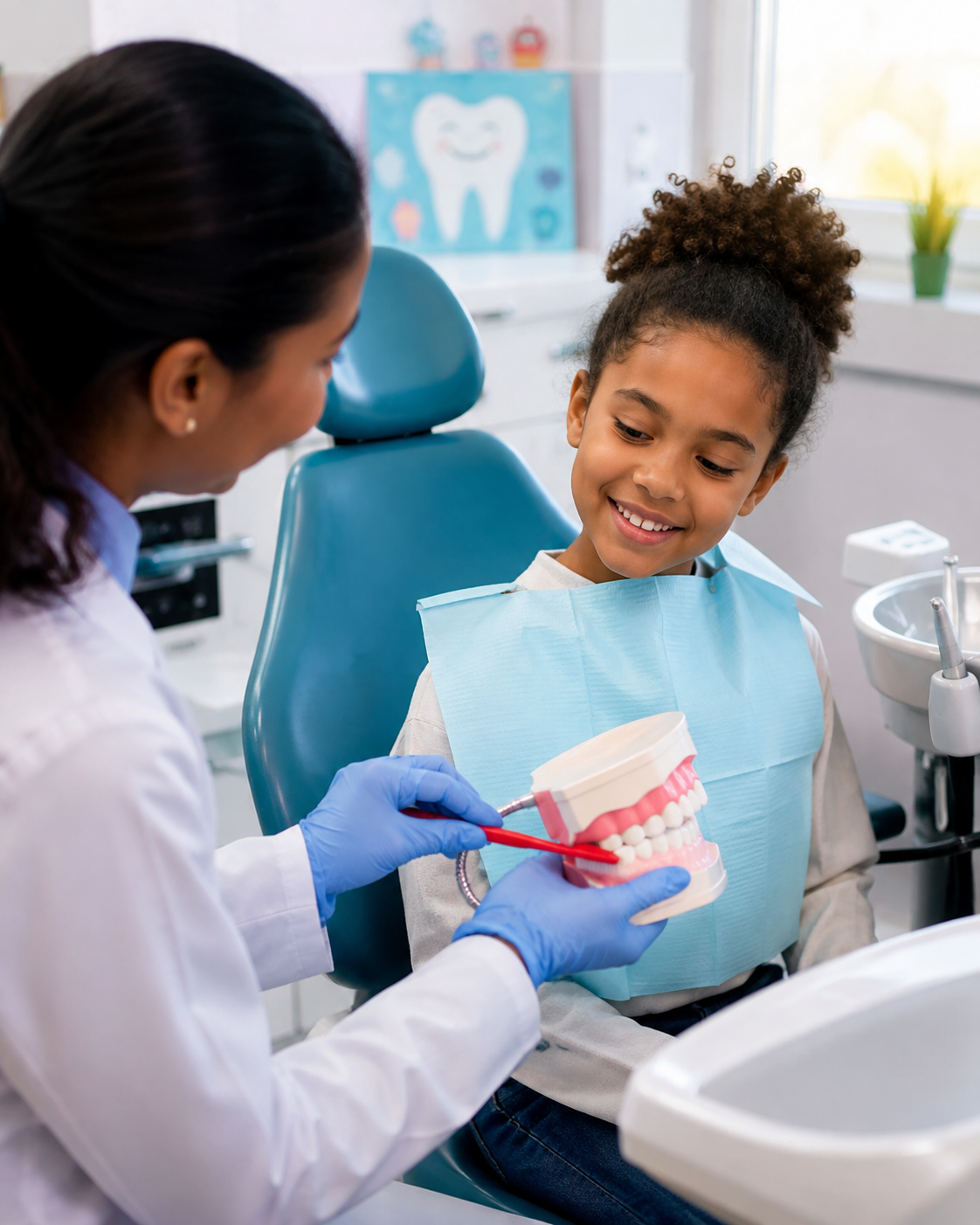
Children's orthodontic treatment options
Appliances have different purposes. The proposed option should reflect the dental findings and the outcome the treating clinician is aiming to achieve.
Monitoring while growing
Scheduled reviews may be sufficient when teeth and jaws are still developing and immediate treatment offers little benefit.
Limited or partial braces
Selected teeth may be moved during an early phase to address a particular alignment, spacing or bite concern.
Palatal expansion
In carefully selected growing patients, an expander may be used to address a narrow upper arch or certain crossbites.
Comprehensive fixed braces
Brackets and wires are used to progressively align teeth and refine bite relationships, often after more permanent teeth erupt.
Other removable appliances
Removable or functional appliances may be considered for specific problems and require cooperation and appropriate wear.
Retention after treatment
Fixed or removable retainers help maintain tooth positions after active movement; follow-up is essential.
Phase 1, Phase 2 and the right time for braces
Some children with specific developing bite problems benefit from an early phase of care while baby and permanent teeth are both present. Other children are best treated in one comprehensive phase when the permanent dentition is more established.
Phase 1: early or interceptive care
Targets a specific developing problem, such as a crossbite, restricted arch width, harmful oral habit or certain eruption concerns. Not all children need this phase.
Observation between phases
The child may be reviewed while more permanent teeth erupt and jaw growth continues. Completing Phase 1 does not guarantee that later braces will be unnecessary.
Phase 2: comprehensive treatment
Braces or another appropriate appliance may be used to refine full-arch tooth alignment and bite after the desired eruption stage.
One-phase treatment
For many children, comprehensive orthodontics at a later age remains the most suitable approach without a separate early treatment phase.
Recommendations also consider oral hygiene, decay risk, gum health, growth pattern, cooperation and practical family preferences. Where specialist orthodontic treatment is indicated, the treatment plan should be made by an appropriately qualified provider.
Your child's orthodontic journey
Appointments are tailored to the child and treatment option. These are the typical stages families can expect when active treatment is recommended.
- Consultation and concernsWe discuss tooth eruption, crowding, bite concerns, appearance, chewing, medical history and any previous dental care.
- Examination and recordsTeeth, gums, jaw relationships and oral hygiene are checked. Photographs, scans and X-rays are obtained when clinically indicated.
- Personalised treatment discussionThe proposed option, timing, steps, alternatives, expected cooperation and maintenance are explained to parents and the child.
- Appliance fittingBraces or the selected appliance are fitted when appropriate, with instruction on cleaning, comfort and wear.
- Reviews and adjustmentsAppointments monitor tooth movement, bite changes, appliance condition, oral hygiene and cooperation; adjustments are made as needed.
- Finishing and retentionAfter active treatment, retainers and an appropriate review plan help maintain the result as growth continues.
Living with braces: comfort, hygiene and eating
Maintaining healthy teeth and gums is a central part of orthodontic treatment. Brackets, wires and other appliances create extra areas where food and plaque can accumulate.
- Brush carefully around brackets and along the gumline with fluoride toothpaste; use interdental aids recommended by the dental team.
- Maintain regular dental check-ups and professional cleaning as indicated, even while undergoing orthodontic reviews.
- Hard, sticky or very chewy foods can damage components; follow the food advice provided for the specific appliance.
- Mild pressure after adjustments may occur. Call the clinic if a wire cuts the cheek, a bracket breaks or pain is persistent or severe.
- Wear elastics, removable appliances and retainers exactly as prescribed; lost or broken appliances should be reported promptly.
- Parents can help children develop consistent brushing and appliance-care routines, particularly at younger ages.
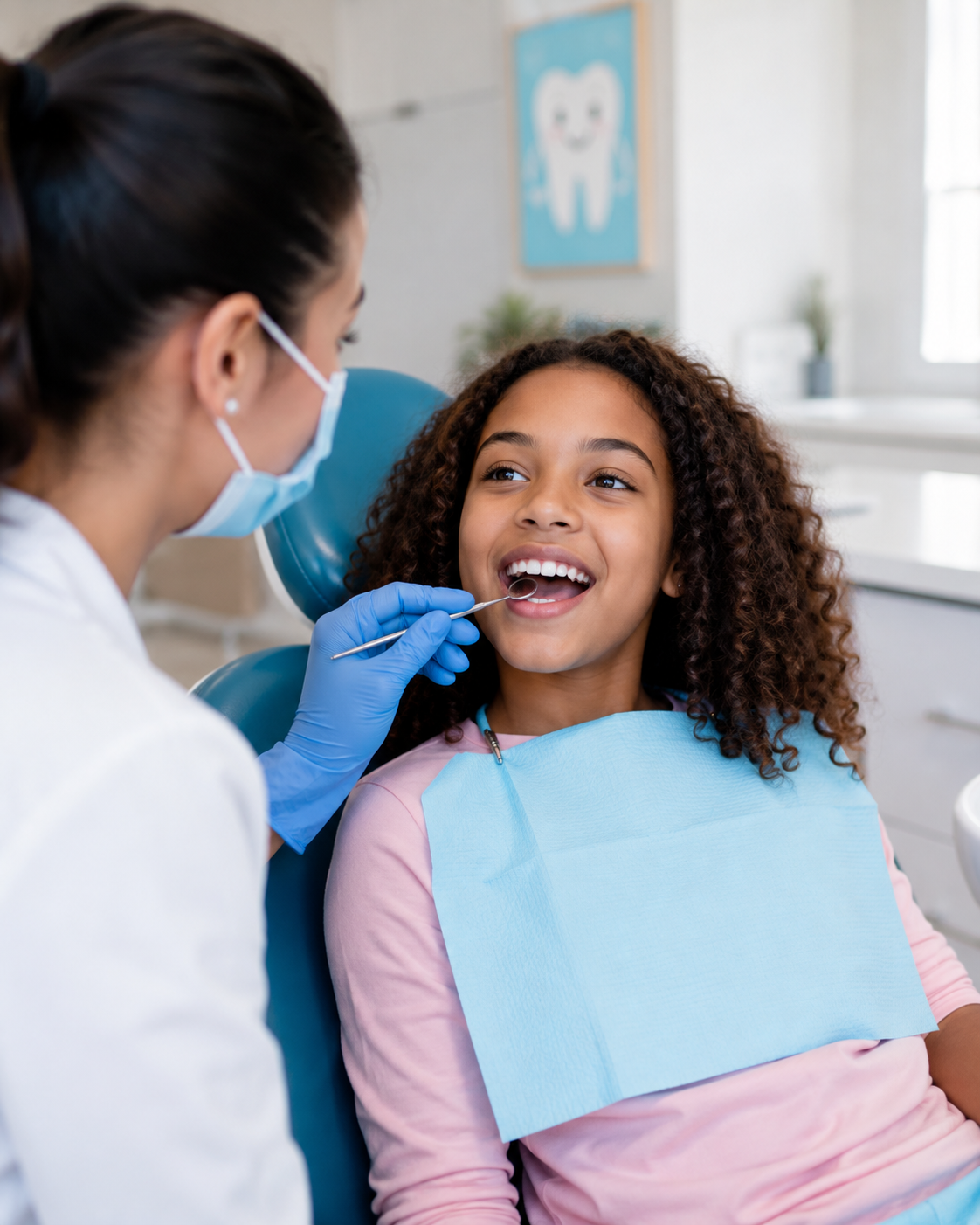

What can well-planned orthodontic care help achieve?
When indicated, orthodontic treatment can help improve tooth positioning and how the upper and lower teeth function together. Benefits and achievable changes depend on the individual diagnosis.
Better tooth alignment
Move crowded, rotated or displaced teeth towards more appropriate positions.
Improved bite relationships
Address selected bite concerns that affect how teeth meet during chewing.
Thoughtful growth guidance
Identify specific situations where timely intervention may improve the developing bite.
Smile confidence and understanding
Support a child's confidence while teaching effective hygiene and lifelong oral-health habits.
Braces cannot guarantee perfect symmetry or permanent straightness without retention. Your clinician will explain the realistic goals for your child and arrange monitoring where appropriate.
How parents can support treatment
- Encourage regular brushing and check whether your child can clean around the appliance effectively.
- Keep all orthodontic and routine paediatric dental visits, including appointments when active treatment is not yet needed.
- Help your child follow the instructions for elastics, expanders, removable appliances or retainers as prescribed.
- Report uncomfortable components, persistent soreness, broken appliances or difficulty eating promptly.
- Discuss ongoing habits such as thumb sucking without blame; supportive strategies may form part of care.
- Ask the team to explain the proposed treatment stages, costs, retainer expectations and whether a later phase may be necessary.
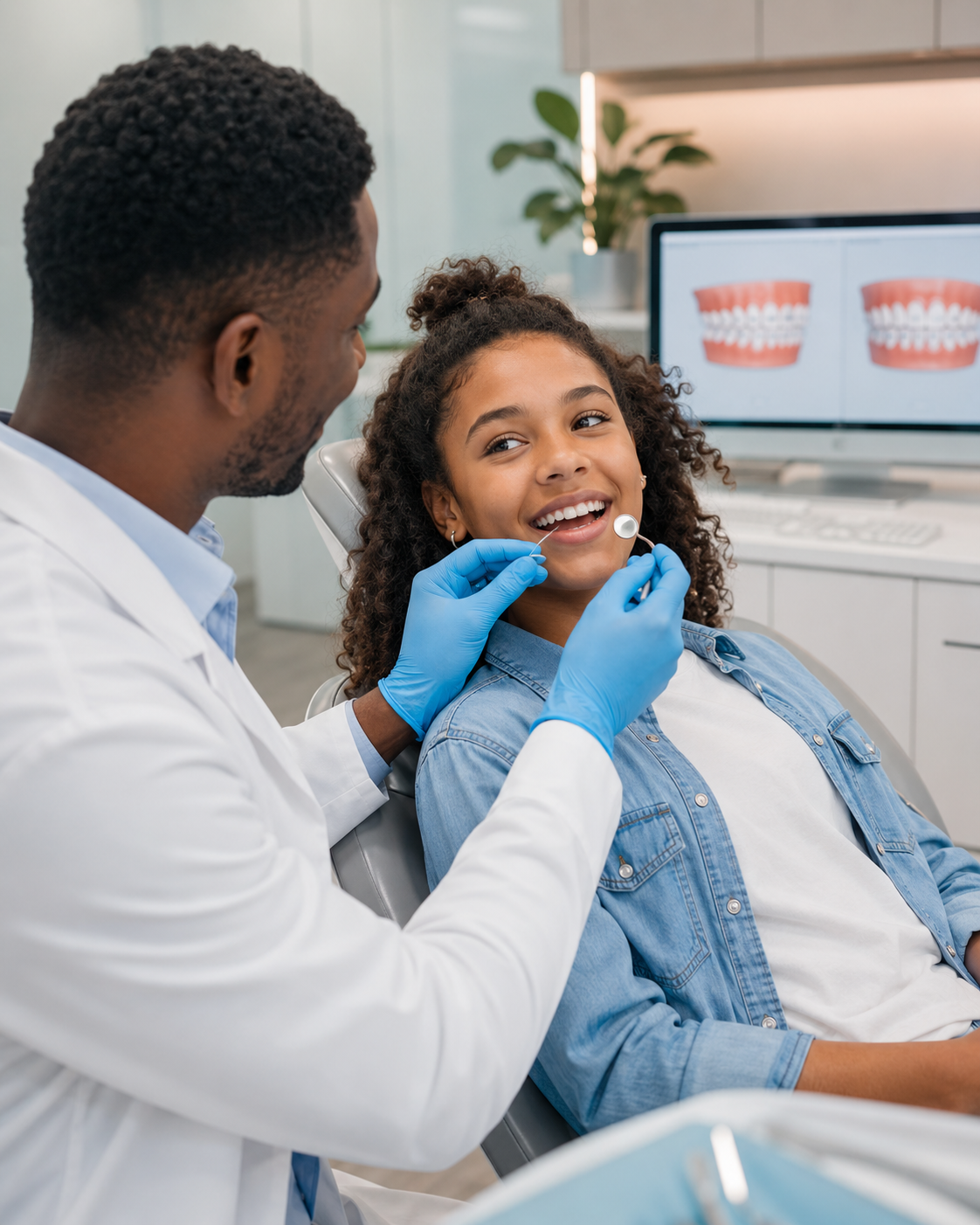
Why choose IAMC for children's orthodontic care?
At IAMC, we understand that growing smiles need careful timing, clear explanations and supportive care. Our paediatric dentist helps families recognise developmental concerns and coordinate appropriate orthodontic planning when needed.
Paediatric Dentist for Growing Smiles
Our paediatric dentist understands dental development and helps families identify the right time for an orthodontic assessment or specialist treatment planning.
Carefully Timed Orthodontic Planning
We consider tooth eruption, bite problems and jaw growth before advising on observation, early intervention or comprehensive braces.
Digital Records Where Appropriate
Clinical photographs, digital impressions and imaging when indicated support clear planning and help families understand proposed changes.
Child-Friendly, Supportive Visits
We explain appliances, appointments and cleaning in an age-appropriate way, helping children feel comfortable and involved in their care.
Focus on Function and Smile Confidence
Our approach considers chewing, bite relationships, healthy oral tissues and natural-looking alignment rather than appearance alone.
Guidance Throughout Treatment
From fitting and adjustments to brushing advice, retention and reviews, we help children and parents understand each stage of their orthodontic journey.
Frequently asked questions
What is the right age for my child to get braces?
There is no single ideal age for starting braces. An orthodontic evaluation around age seven can detect developing concerns, but most children do not need braces at that age. Timing is based on tooth eruption, growth and the problem being treated.
Does every child who is assessed early need treatment?
No. Many children benefit from monitoring alone until a more appropriate treatment stage.
Can children have braces while baby teeth are still present?
Yes, limited orthodontic care may be appropriate in selected mixed-dentition cases. Comprehensive treatment is more commonly planned when enough permanent teeth have erupted.
What is the difference between Phase 1 and Phase 2?
Phase 1 targets a selected developing problem while a child is growing; Phase 2 is a later, more comprehensive alignment and bite-finishing phase if needed. Not every child needs both.
Are braces painful?
Some pressure or temporary tenderness can follow fitting or adjustments. Persistent severe pain, swelling or sharp components should be assessed rather than ignored.
How long do children wear braces?
The duration varies according to diagnosis, appliance, tooth movement, oral hygiene and cooperation. Your treating clinician will provide a personalised estimate.
Can a child still play sports?
Often yes. A suitable orthodontic mouthguard may be recommended for contact sports; ask the team about an appropriate design.
Can my child eat normally with braces?
Most foods are possible with sensible modifications, but hard, sticky and very chewy foods may damage appliances. Follow individual food advice.
Will my child need retainers afterwards?
Retention is generally part of orthodontic treatment, because teeth can shift after braces. The type and duration of retainer use are personalised.
Who decides whether my child needs an orthodontic specialist?
Our paediatric dentist can recognise developing concerns, explain the findings and arrange or recommend specialist orthodontic evaluation when indicated.
Find the right orthodontic plan for your child.
Book a consultation with IAMC to discuss your child's tooth alignment, developing bite, orthodontic options and the best time for care.