
Paediatric Preventive Care
Healthy habits today create stronger smiles tomorrow. At IAMC, our paediatric dentist helps families protect baby and permanent teeth with individualised check-ups, brushing and nutrition guidance, fluoride care and fissure sealants where appropriate.
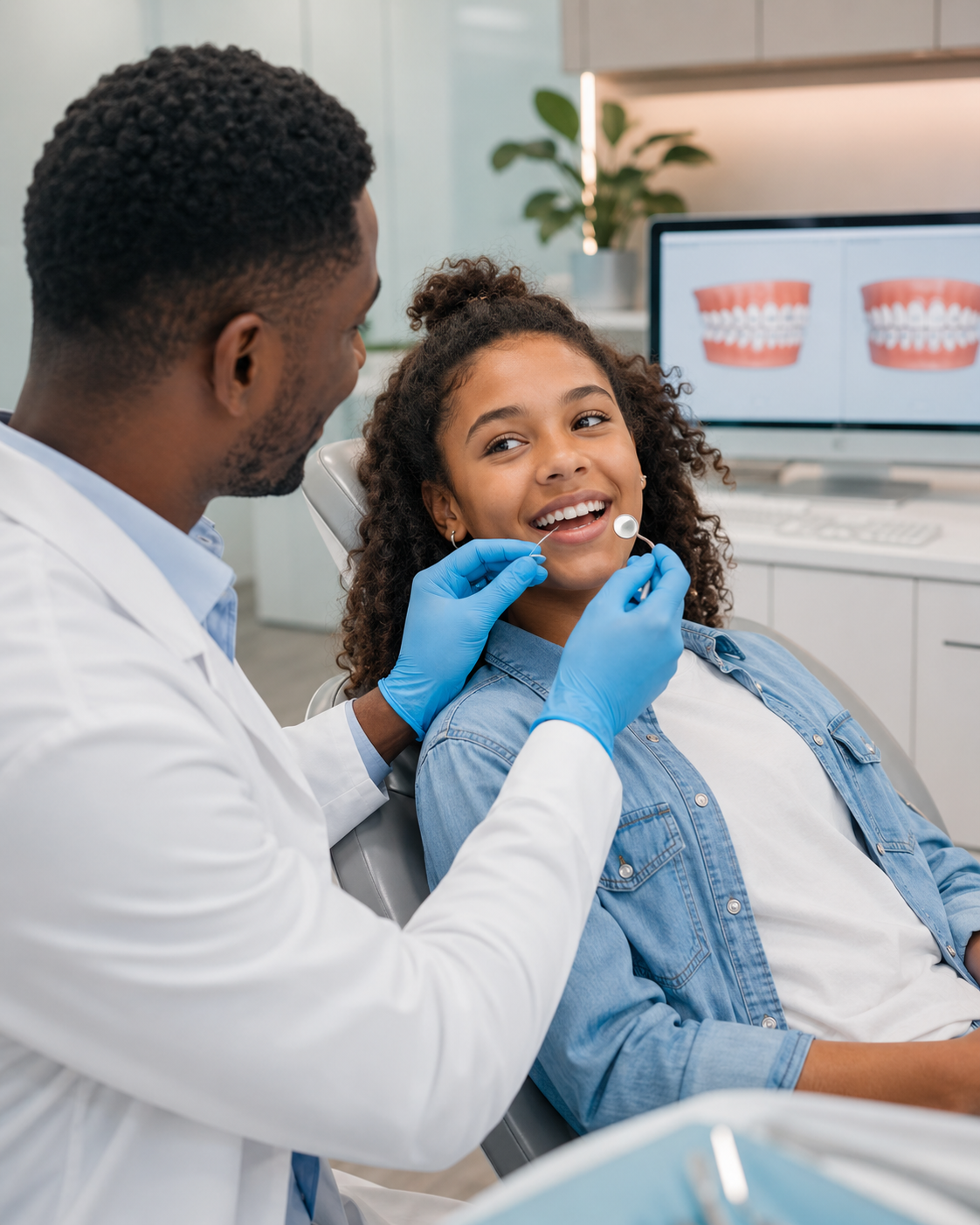
Protecting little smiles from the very beginning
Paediatric preventive dentistry helps children keep their teeth and gums healthy before problems develop. It combines regular oral-health reviews with personalised advice and, when clinically indicated, protective procedures to reduce the risk of tooth decay and other preventable concerns.
Baby teeth matter: they support eating, speech and the development of a growing bite. Healthy habits formed early can also help children feel comfortable with dental appointments as they grow. At IAMC, our paediatric dentist works with parents and caregivers to build practical, age-appropriate routines.
What does paediatric preventive care include?
Every child is different. The preventive plan may include the following elements according to age, dental development and the findings of an examination.
Prevention for every stage of childhood
Preventive care starts early. A first dental visit is generally advised with the arrival of the first tooth and no later than the first birthday. Subsequent visits are arranged according to your child's individual needs and findings.
First-tooth care, parent-assisted brushing, feeding and bottle habits, teething questions and early cavity prevention.
Brushing skills, snack choices, cavity-risk reviews, professional fluoride care when needed and monitoring new molars.
Permanent teeth, fissure sealant suitability, oral hygiene during orthodontic treatment and lasting healthy habits.
Fluoride treatment: strengthening enamel protection
Fluoride helps teeth resist decay and supports remineralisation of early enamel changes. During your child's consultation, the dentist can review fluoride toothpaste use and assess whether professionally applied fluoride varnish would provide additional benefit.
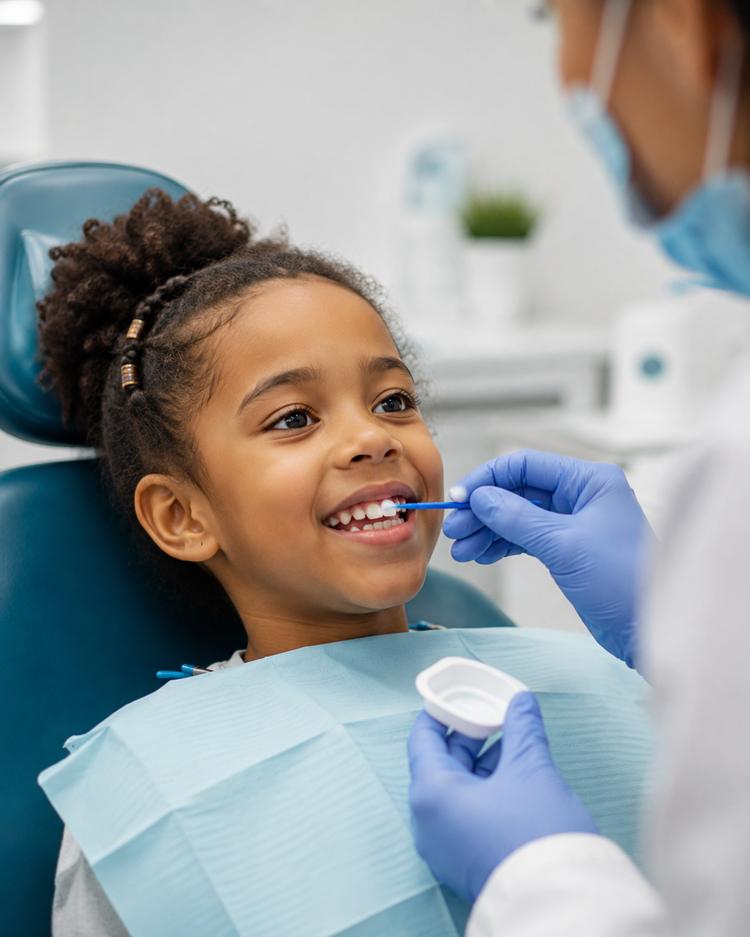
A fluoride-varnish appointment is usually brief. The tooth surfaces are assessed and prepared as needed, a small amount of varnish is applied, and parents receive advice about eating, brushing and any other product-specific instructions for the period after application.
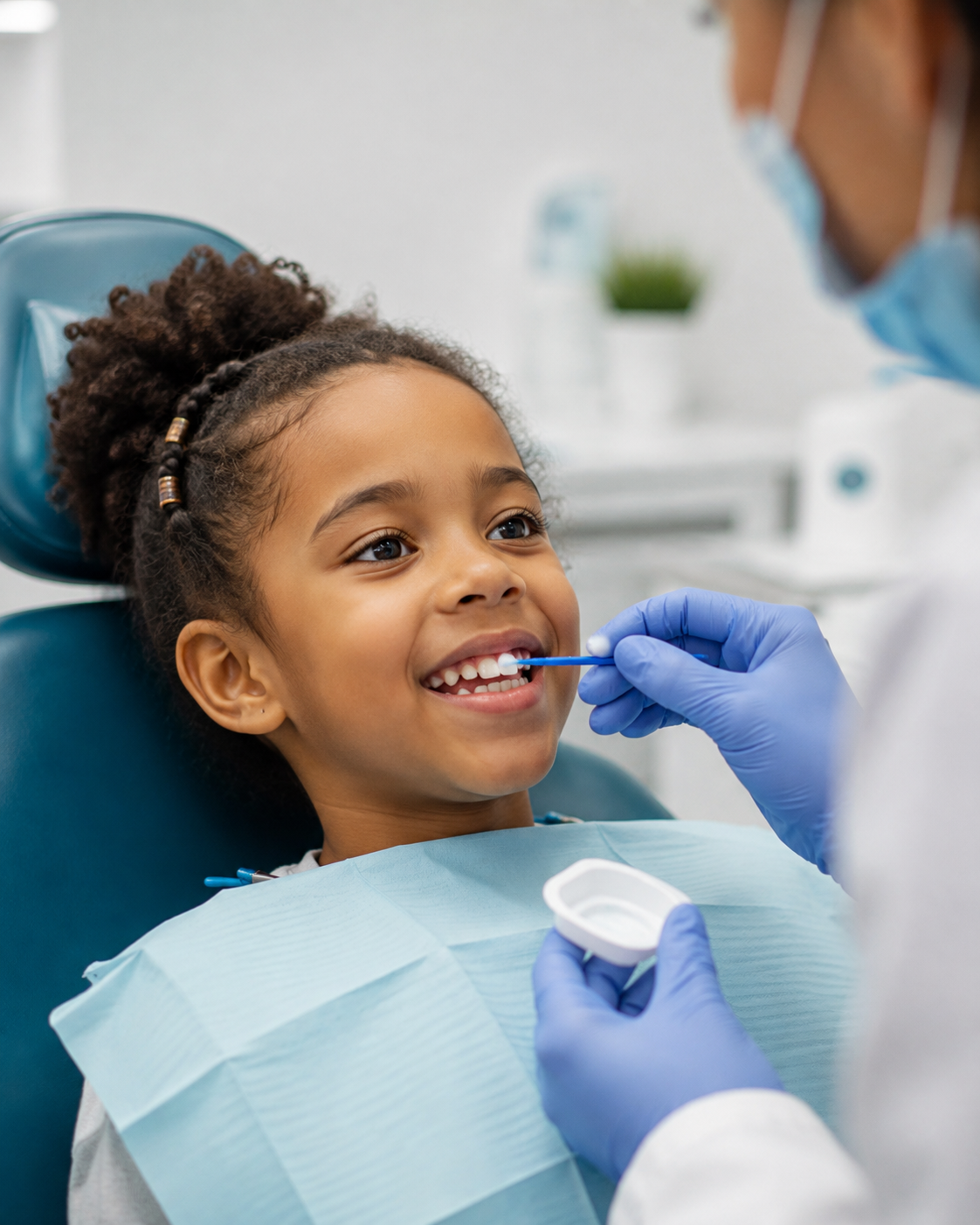
At home, an adult should supervise brushing with age-appropriate fluoride toothpaste. For children under three, a thin smear approximately the size of a grain of rice is commonly advised; from three to six, a pea-sized amount is commonly recommended. Your paediatric dentist can tailor this advice and discuss safe use.
Fissure sealants: helping protect hard-to-clean grooves
Back teeth often have deep pits and fissures that are difficult for a toothbrush to reach. A fissure sealant is a thin protective material placed over selected grooves to reduce the chance of decay developing in those areas.
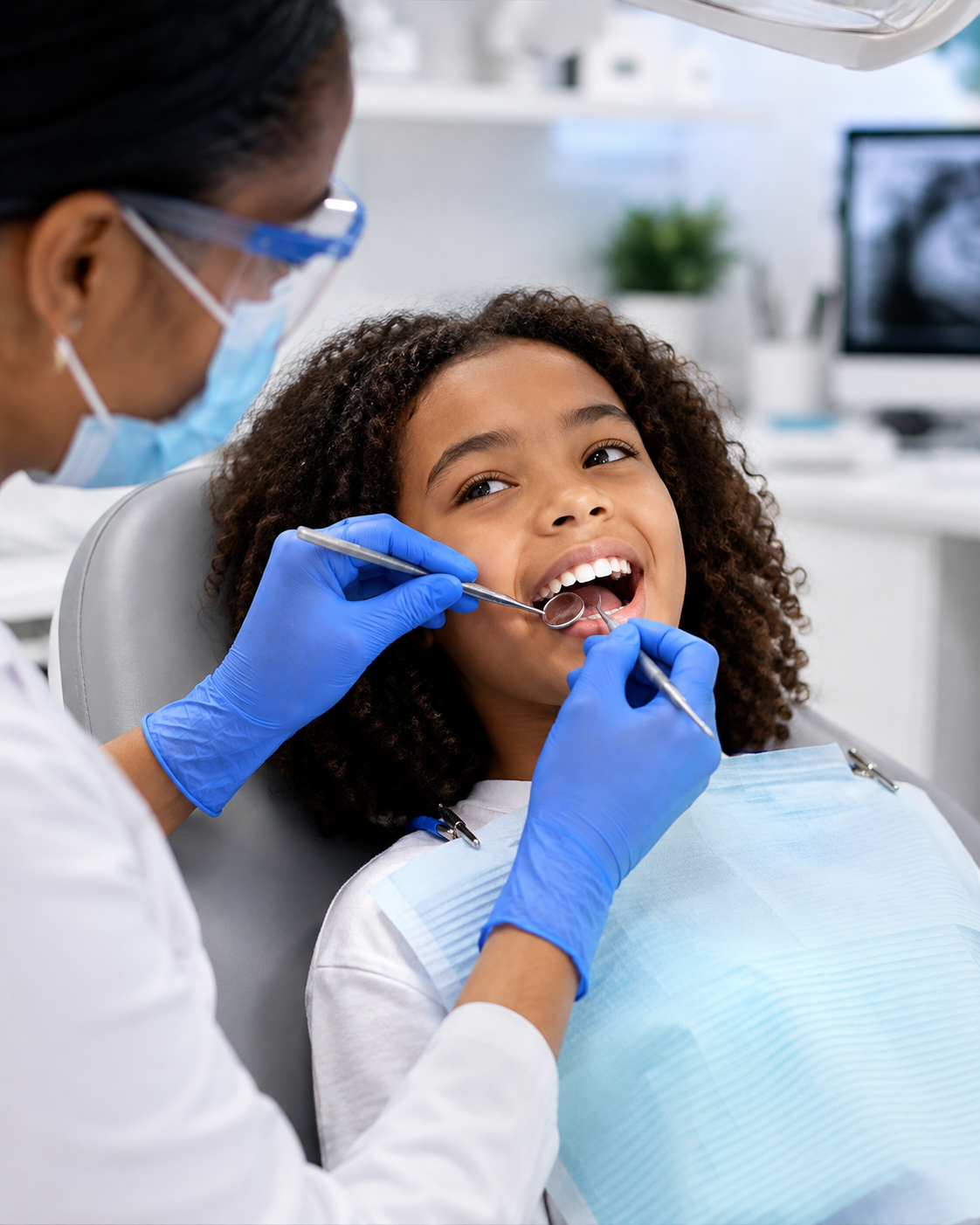
- Check the toothThe dentist assesses the grooves, enamel and whether the tooth is appropriate for sealing.
- Clean and prepareThe surface is cleaned and kept suitably dry for the chosen sealant material.
- Apply the protective materialThe sealant is placed into the grooves and hardened or set as required.
- Check the fit and reviewThe bite and sealant coverage are checked; its condition is monitored at future visits.
Sealants supplement good brushing, fluoride toothpaste and sensible dietary habits; they do not replace them.
What happens at a preventive appointment?
We aim for a calm, positive experience that helps children understand the purpose of each step. The visit may include:
- A friendly introductionWe listen to your questions and help your child settle into the appointment at a comfortable pace.
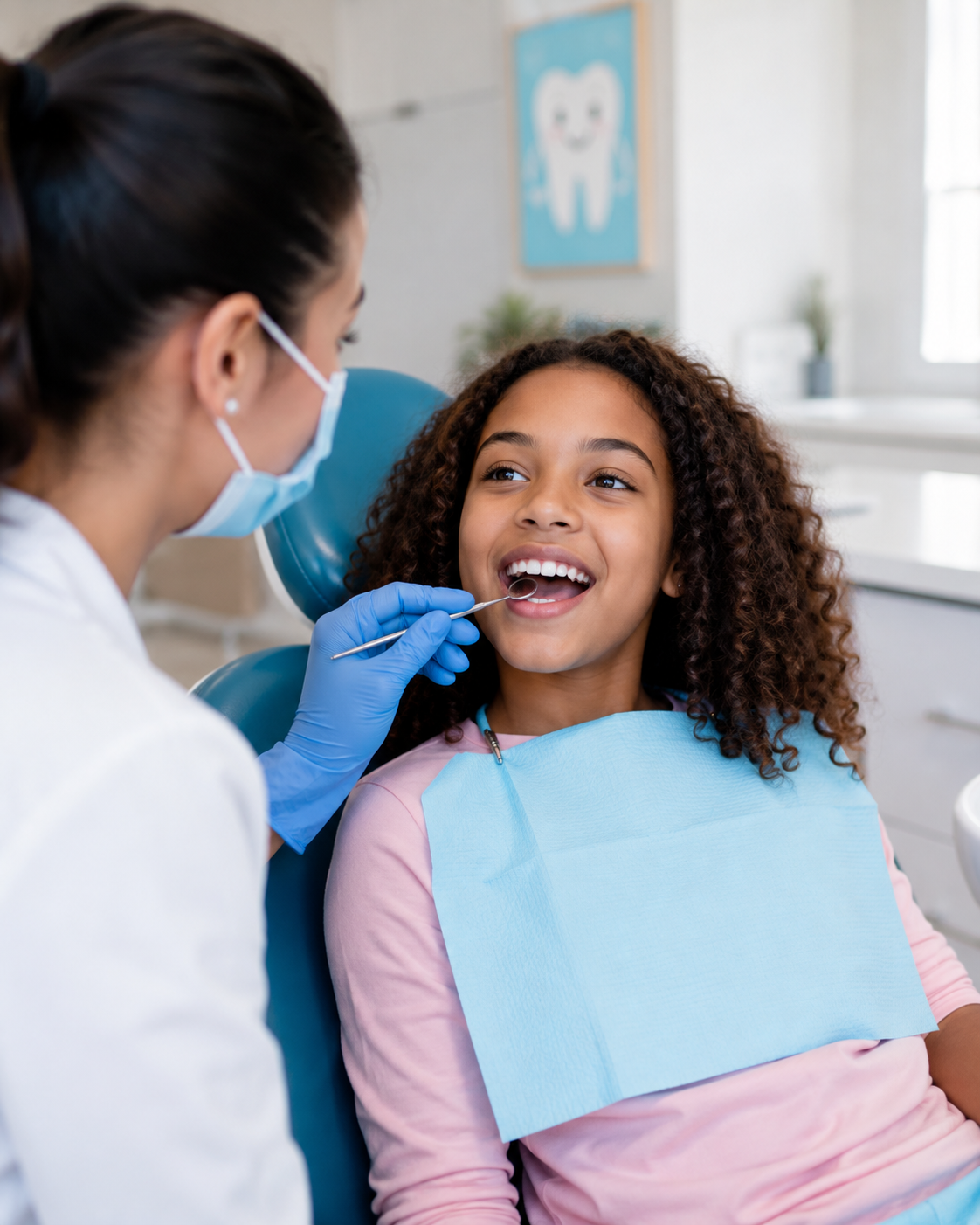
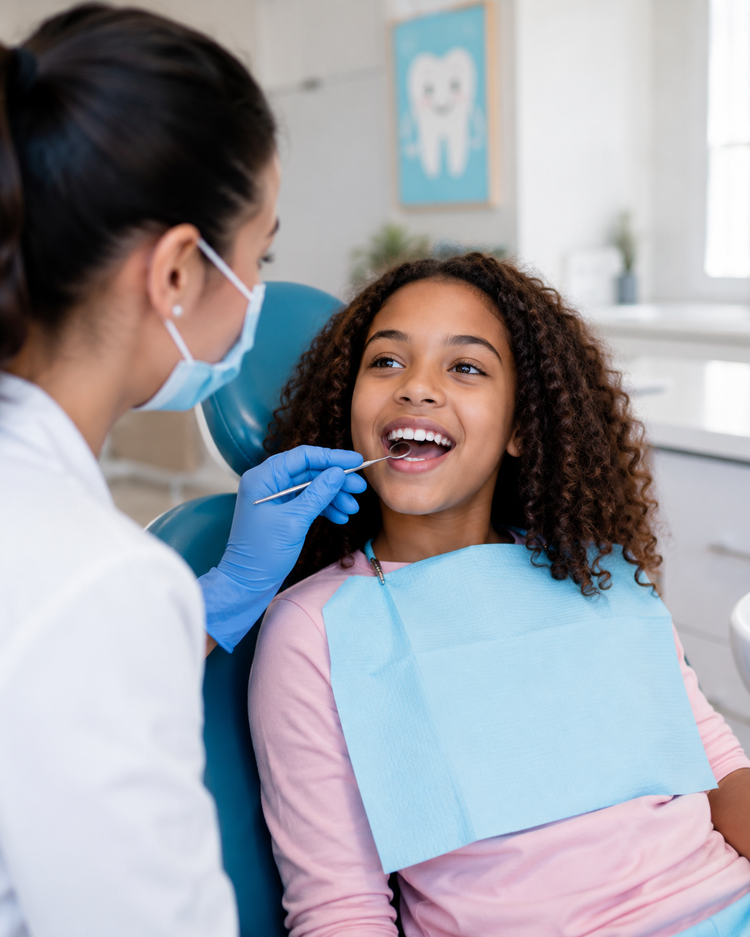
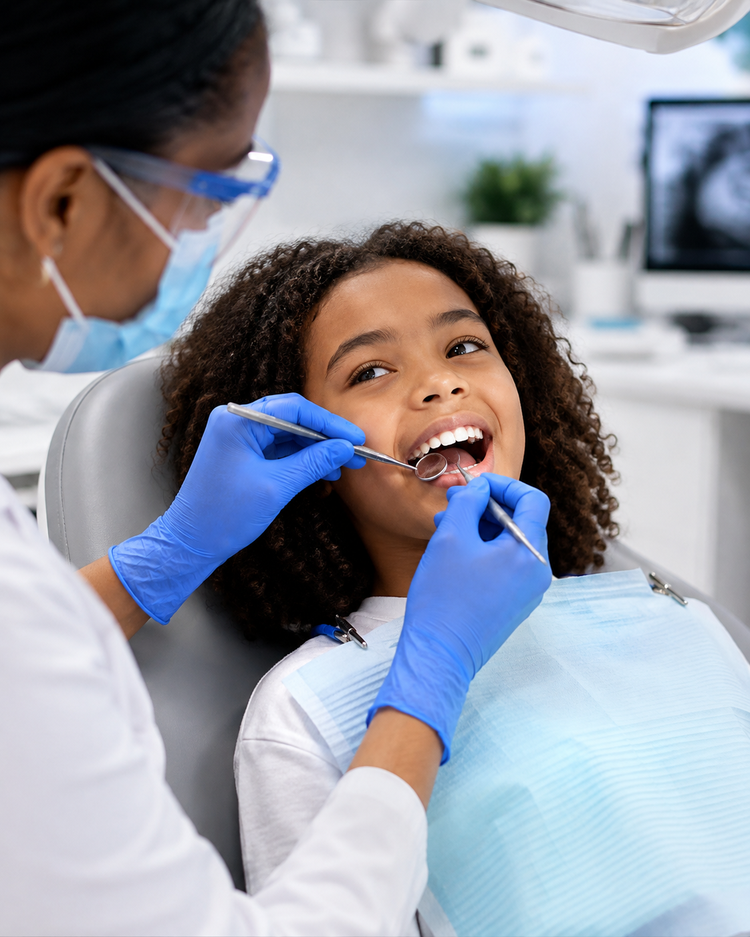
- Gentle examinationWe check the teeth, gums, visible plaque, developing bite and other oral-health features.
- Decay-risk reviewWe consider previous cavities, diet, brushing, fluoride exposure and areas that are difficult to clean.
- Preventive care if suitableCleaning, fluoride varnish or fissure sealants may be discussed or provided as clinically indicated.
- A practical home-care planParents and children receive understandable advice about brushing, food choices and the next review.
Simple daily habits for a healthier smile
The best prevention combines professional guidance with consistent family routines. Small changes can make brushing easier and reduce frequent sugar exposure.
Brush together
Help your child brush thoroughly with age-appropriate fluoride toothpaste; young children need direct supervision.
Choose tooth-friendly habits
Offer water regularly, keep sugary foods and drinks occasional, and reduce repeated snacking on sweet items.
Finish with a clean mouth
Brush again with fluoride toothpaste, help clean between teeth where appropriate, and avoid sugary drinks after bedtime brushing.
Why choose IAMC for your child's preventive dental care?
At IAMC, prevention is guided by dedicated paediatric care, clear advice for families and attention to every stage of your child's dental development. Our aim is to make healthy smiles easier to maintain and dental visits a positive part of childhood.
Dedicated paediatric dentist
Your child receives a child-focused assessment from our paediatric dentist, who understands developing teeth and the preventive needs of growing smiles.
Gentle, child-friendly visits
We explain treatment in simple, reassuring language and adapt our approach to each child's age, confidence and previous experiences.
Prevention-led dentistry
We focus on early identification, effective home-care habits and suitable protective treatments before more involved restorative work is needed.
Personalised fluoride and sealant advice
Professional fluoride care and fissure sealants are considered according to each child's risk, tooth development and clinical needs.
Guidance for the whole family
Parents receive practical help with brushing, toothpaste, snacks and dental habits that can be applied confidently at home.
Ongoing growth and oral-health monitoring
With regular visits, we follow tooth eruption, gum health and bite changes while supporting healthy routines from early childhood to adolescence.
Frequently asked questions from parents
When should my child first see a dentist?
Ideally when the first tooth appears and no later than the first birthday. The visit is also an opportunity to discuss home care, feeding and prevention.
How often should children attend preventive check-ups?
The interval depends on your child's decay risk, dental development and findings at the examination. The paediatric dentist will advise on an appropriate schedule.
Is fluoride treatment suitable for every child?
Fluoride toothpaste is an important part of daily prevention when used correctly. Whether a professional fluoride application is indicated depends on the child's individual circumstances and clinical assessment.
Do fissure sealants hurt?
Sealant placement is generally non-invasive and often does not require drilling or anaesthetic when applied to a sound tooth. The dentist will explain the procedure to your child.
Can sealants be placed on baby teeth?
They may be considered for selected baby teeth with vulnerable grooves, but this is based on tooth condition and decay risk. Permanent molars are common candidates.
What if my child is frightened of the dentist?
Tell us about earlier experiences or concerns. We can introduce each step slowly, use age-appropriate explanations and discuss how to make the appointment more comfortable.
Are X-rays needed at every visit?
No. Dental X-rays are recommended only when the examination and clinical circumstances make them useful; they are not automatic.
Does preventive care mean my child will never have a cavity?
No preventive measure can guarantee this. Regular reviews, consistent home care, suitable fluoride exposure and a tooth-friendly diet help lower the risk.
Help your child build a healthy smile for life.
Visit our paediatric dentist for friendly, individualised prevention advice, appropriate protective treatments and a practical care plan for your child.