
Child Dental Check-Up
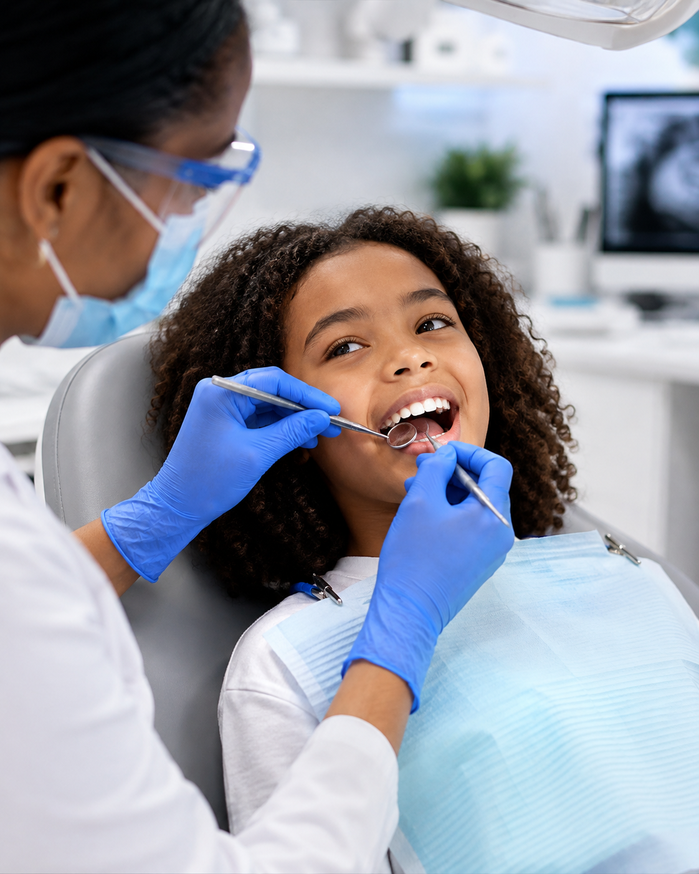
Healthy smiles begin with positive first experiences. At IAMC, our paediatric dentist provides thoughtful, age-appropriate check-ups that help children feel comfortable while we monitor their growing teeth, gums and developing bite.
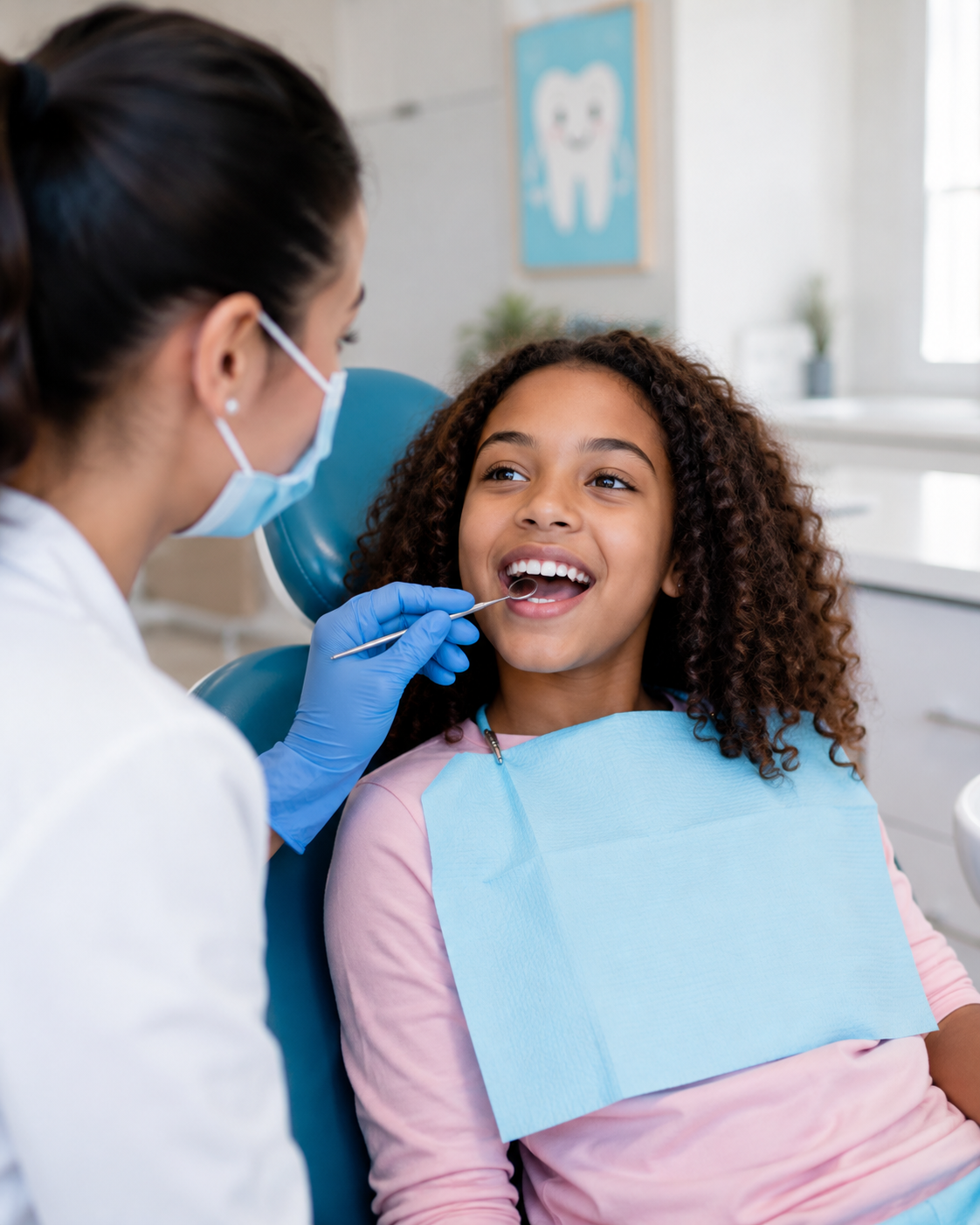
Gentle dental check-ups for growing smiles
A children's dental check-up is more than a quick look at the teeth. It is an opportunity to understand how your child's mouth is developing, spot early signs of decay, discuss daily habits and make dental visits a familiar part of growing up.
Our paediatric dentist considers your child's age, comfort, previous experiences and individual needs. We talk with parents and children about the findings, explain any recommended care, and help families build practical routines for healthy teeth.
When should your child visit the dentist?
A first dental examination is recommended when the first tooth appears, and no later than the first birthday. Early visits help establish a comfortable dental routine and give parents a chance to ask about feeding, teething and home care.
First teeth, feeding habits, early decay prevention, mouth cleaning and advice for caregivers.
Growing teeth, brushing habits, dietary guidance, cavity checks and early bite development.
Permanent teeth, gum health, sports protection, orthodontic observations and consistent home care.
Follow-up visits are usually planned around your child's individual decay risk, growth and clinical findings. The paediatric dentist will recommend an appropriate interval rather than assuming every child needs exactly the same schedule.
What happens during a child's dental check-up?
We make the appointment age-appropriate and explain each step in a way the child can understand. Depending on your child's age and clinical needs, the examination may cover:
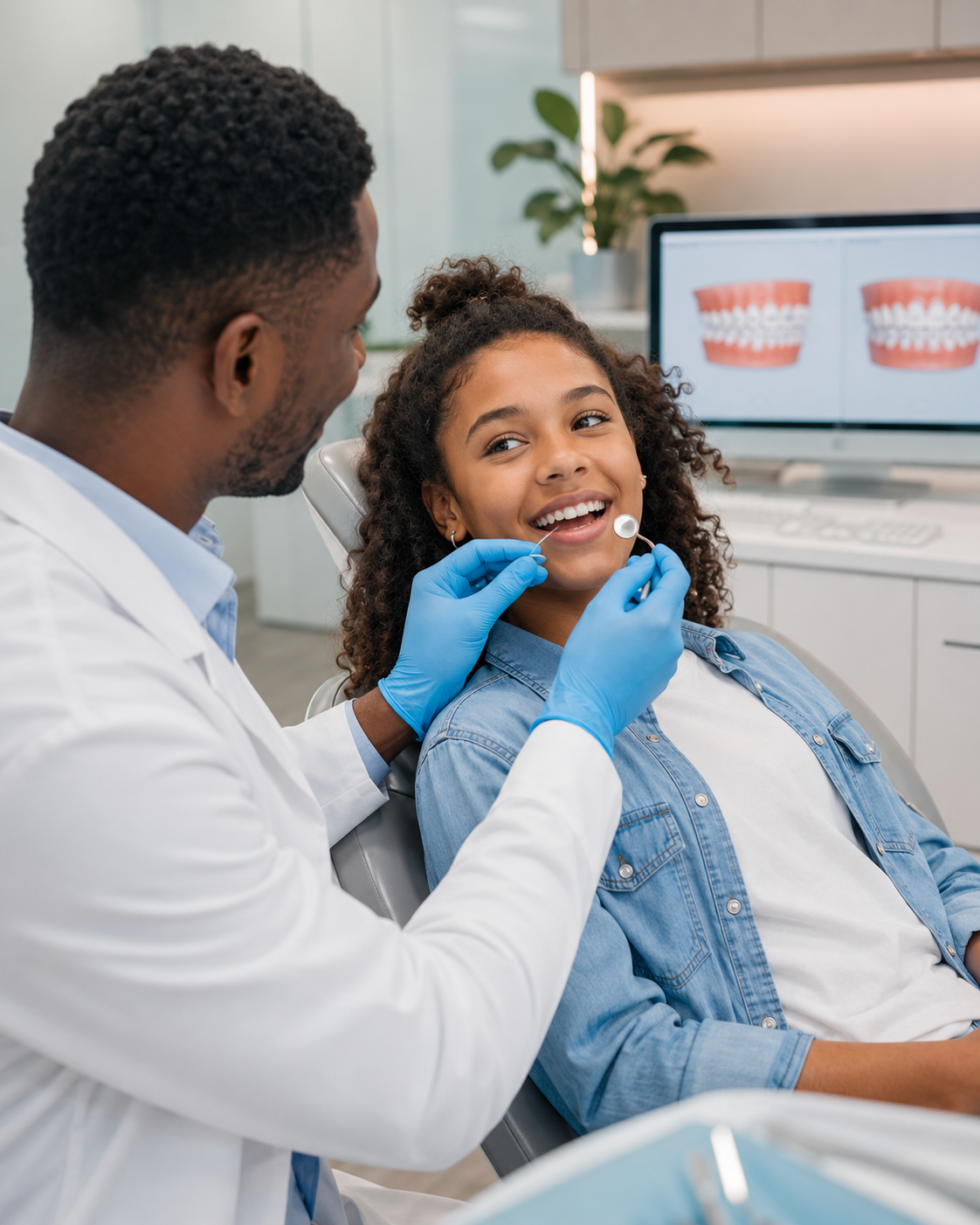
A friendly step-by-step visit
- A warm welcomeWe greet your child, listen to concerns and allow time to settle into the environment.
- Getting comfortableThe paediatric dentist introduces appropriate instruments and explains what will happen in simple language.
- Gentle examinationWe check the teeth, gums and developing bite, adapting the approach to the child's comfort and cooperation.
- Helpful explanationsParents and children hear what looks healthy, what needs monitoring and whether any treatment is recommended.
- Personalised preventionWe demonstrate relevant brushing techniques and discuss nutrition, fluoride or protective treatments where appropriate.
- Planning the next visitWe agree on any follow-up, treatment priorities and an individual review schedule.
Helping anxious or first-time visitors feel at ease
Some children are excited about their dental visit; others need extra reassurance. A child-friendly appointment should respect both. We use clear explanations, a calm pace, praise for cooperation and breaks when needed, while keeping parents informed.
Tell us before the appointment if your child has had a difficult previous dental experience, has sensory sensitivities, needs additional support or is especially nervous. That information helps the team plan a more comfortable visit.
Why choose IAMC for your child's dental care?
At IAMC, we believe that protecting a child's smile begins with expertise, reassurance and a trusting relationship with the family. Our approach combines dedicated paediatric dental care with practical prevention and thoughtful follow-up.
Dedicated paediatric dentist
Your child can be assessed by a paediatric dentist with a child-focused approach to developing teeth, growing jaws, behaviour and preventive needs.
A welcoming, child-friendly experience
We explain each stage gently and adapt the pace to help children feel heard, comfortable and more confident about future visits.
Prevention from the start
We prioritise early diagnosis, brushing and nutrition guidance, risk assessment and suitable protective treatments before small concerns become bigger.
Care tailored to every age
From a baby's first teeth to the permanent dentition of a teenager, advice and examinations are adjusted for each stage of development.
Clear communication with parents
We make time to explain findings, choices, home-care instructions and the reasons for any proposed treatments so families can decide confidently.
Continuity and follow-up
Regular monitoring of teeth, gums and bite development helps us recognise changes and support a consistent, long-term oral-health routine.
Healthy habits between appointments
Common questions from parents
When should my child have their first dental check-up?
Ideally when the first tooth appears, and no later than their first birthday. Early care helps prevent problems and builds familiarity with dental visits.
Do baby teeth really need regular check-ups?
Yes. Baby teeth support chewing, speech, comfort and the space needed for developing permanent teeth. Decay can affect them even when they will eventually fall out.
How often should my child see the dentist?
The interval depends on age, decay risk, previous dental history and clinical findings. Your child's paediatric dentist will advise an appropriate schedule.
What if my child is afraid of the dentist?
Tell the team before the appointment. We can plan a gentler introduction, explain instruments in child-friendly terms and proceed at an appropriate pace.
Will my child need X-rays at every visit?
No. X-rays are only considered when necessary to answer a clinical question or guide care, taking individual needs into account.
Is a check-up the same as cleaning or fluoride treatment?
No. A check-up is the examination and assessment. Professional cleaning, fluoride varnish or fissure sealants may be recommended separately when appropriate.
Can the paediatric dentist check my child's bite?
Yes. Tooth eruption, crowding, spacing and bite development can be reviewed during routine visits. An orthodontic assessment may be recommended if a concern needs closer evaluation.
What if my child has tooth pain or facial swelling?
Contact the dental team promptly for assessment rather than waiting for a routine check-up. Seek urgent medical attention if swelling affects breathing or swallowing, or the child becomes seriously unwell.
Give your child a positive start to lifelong oral health.
Meet our paediatric dentist for a welcoming, age-appropriate consultation. We will examine your child's teeth, answer your questions and help you plan the next steps with confidence.