
Child Dental Fillings
Small cavities deserve thoughtful care. At IAMC, our paediatric dentist assesses decay in baby teeth and growing permanent teeth, explains tooth-coloured filling options and helps families protect their child's smile with gentle, personalised treatment.
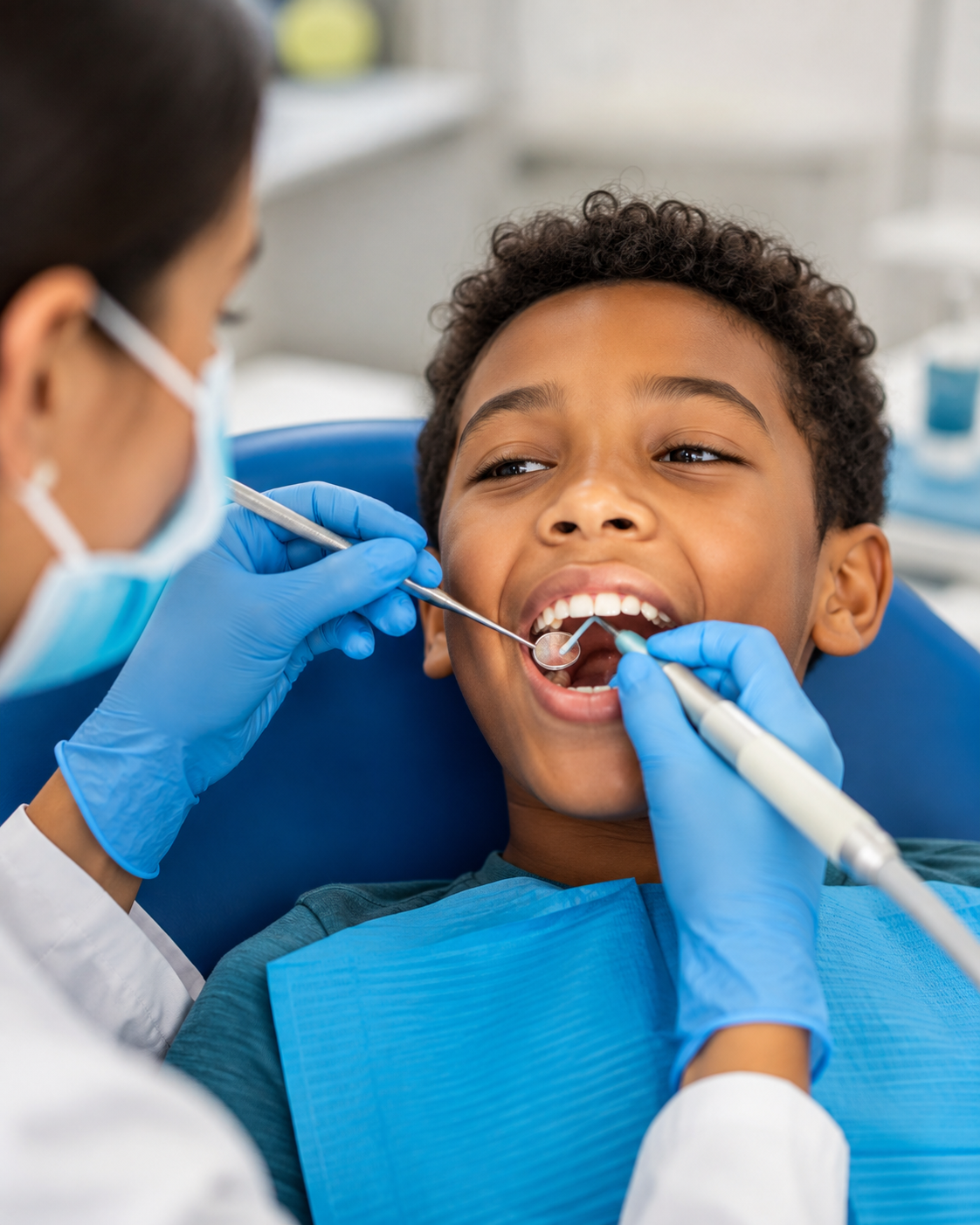
Gentle dental fillings for growing smiles
Dental fillings repair teeth affected by cavities or small areas of damage. After assessing the tooth, the dentist removes or manages damaged tissue as appropriate and places a restorative material to help return the tooth to a useful shape for chewing and cleaning.
Children can need fillings in their primary (baby) teeth or their permanent teeth. The decision depends on how deep the cavity is, whether the tooth is painful, how much healthy tooth remains and how long it is expected to stay in the mouth. Not every cavity is treated with the same material or technique.
When might your child need a filling?
Some childhood cavities cause no symptoms at first, which is why routine dental examinations matter. Arrange an assessment if you notice any of the following:
Why treat cavities in baby teeth?
Baby teeth have important jobs long before they fall out. They support eating and speaking, help guide developing permanent teeth and can influence a child’s comfort and confidence. Untreated decay can progress, causing pain, infection and avoidable disruption to daily life.
For many children, restoring a primary tooth is worthwhile when that tooth can be maintained in good health. However, the treatment plan also considers the tooth’s remaining lifespan, severity of damage, symptoms and the child’s overall dental development.
Comfortable chewing
A suitably restored tooth may make it easier to chew without sensitivity or food trapping.
Keeping healthy tooth structure
Timely care can prevent a small cavity from becoming a larger restorative problem.
Space and dental development
Keeping primary teeth when appropriate can help maintain their function until natural shedding.
Positive dental habits
Early, supportive visits help children become familiar with the dentist and learn the value of oral care.
Which filling materials are used for children?
There is no single best material for every cavity. Our paediatric dentist considers where the tooth sits, the size of the cavity, moisture control, biting forces and how well your child can manage the appointment.
What happens during a child's dental filling?
Each appointment is adapted to the child's age, dental findings and comfort. The steps below describe a typical filling visit; the exact sequence may vary.
- Gentle assessment and explanationWe examine the tooth, review symptoms and explain the proposed treatment to the parent and child in age-appropriate language.
- Making your child comfortableWe use a reassuring approach and discuss whether local anaesthetic is necessary. Additional behaviour-support options depend on the case and available services.
- Preparing the toothWhere a conventional filling is appropriate, decayed or weakened tissue is managed while preserving healthy structure as far as practical.
- Placing the restorationThe selected material is placed and shaped. Moisture control and bonding steps differ according to the material used.
- Checking the biteWe check the restored tooth, adjust it if necessary and explain what your child should expect after the visit.
- Home-care and review planParents receive instructions about eating, cleaning and any follow-up needed to monitor the tooth.

Helping your child feel comfortable
Children respond differently to dental treatment. We explain tools and sensations using child-friendly words, allow appropriate breaks and use a pace suited to the individual child. A supportive first experience can help establish confidence for future visits.
When local anaesthetic is used, temporary numbness may follow. A parent or caregiver should help the child avoid biting or chewing their lip, tongue or cheek until normal feeling has returned.


After the filling: eating, cleaning and follow-up
- Follow the specific eating instructions provided for the filling material and any local anaesthetic used.
- Avoid biting the cheek, lip or tongue if the mouth still feels numb.
- Continue brushing twice daily with an age-appropriate amount of fluoride toothpaste and adult help as needed.
- Some mild sensitivity may occur, but persistent pain, a high bite, swelling or a broken filling should be assessed.
- Keep recommended review visits, because a treated tooth can still develop new decay around a restoration without good home care.
Why choose IAMC for your child's dental fillings?
Our approach combines paediatric dental care, thoughtful restoration choices and practical guidance for parents. The goal is to help children receive treatment that protects their oral health while building confidence in dental visits.
Dedicated Paediatric Dentist
Your child can be assessed and treated by a dentist focused on children’s oral health, dental development and age-appropriate care.
A Gentle, Child-Centred Approach
We explain what will happen in simple terms, build trust gradually and adapt the visit to your child’s comfort and cooperation.
Preserving Growing Smiles
Whenever suitable, we focus on treating decay early, restoring chewing function and keeping primary teeth healthy until their natural replacement.
Carefully Selected Filling Materials
Tooth-coloured composites, glass-ionomer materials and other options are considered according to the tooth, the cavity and your child’s needs.
Prevention Beyond the Filling
Parents receive practical guidance on brushing, fluoride, snacks and future check-ups to help reduce the chance of new cavities.
Clear Advice and Follow-Up
We discuss treatment choices, aftercare and review appointments, so families understand how to protect the restored tooth.
Frequently asked questions
Do baby teeth really need fillings if they will fall out?
Often, yes. Primary teeth support eating, speech and dental development. Whether a particular tooth should be restored depends on its condition, symptoms, remaining lifespan and the child's individual circumstances.
Will the filling be tooth-coloured?
Tooth-coloured materials are available for many cavities. The dentist recommends a suitable material based on tooth position, extent of damage, biting forces and treatment conditions.
Will my child need an injection?
Local anaesthetic may be recommended depending on the treatment and the child's comfort. We discuss the plan with the parent and explain the steps using child-friendly language.
What if the cavity is too deep for a filling?
A heavily damaged or infected tooth may need a crown, pulp treatment or extraction rather than a straightforward filling. The paediatric dentist will discuss the findings and options.
Can early decay be treated without a filling?
Some early lesions may be managed through preventive measures, while selected cavities may be treated using other methods such as silver diamine fluoride. Suitability depends on examination and the goals of care.
Can the filling come out or need replacement?
Yes. Fillings may wear, chip, loosen or need repair over time. Your child's regular reviews help the team monitor the restoration and surrounding tooth.
How can I help prevent new cavities?
Help your child brush twice a day with fluoride toothpaste, limit frequent sugary snacks and drinks, and follow a personalised preventive-care and dental review plan.
Let's take care of your child's smile.
Book an appointment with IAMC to discuss your child's dental concerns, recommended filling options and a personalised prevention plan.