
Medical Dermatology in Kilimani, Nairobi
Skin concerns can affect comfort, sleep and confidence. Our dermatology service starts with a careful assessment, explains what may be causing the problem and agrees a treatment plan that suits your skin.
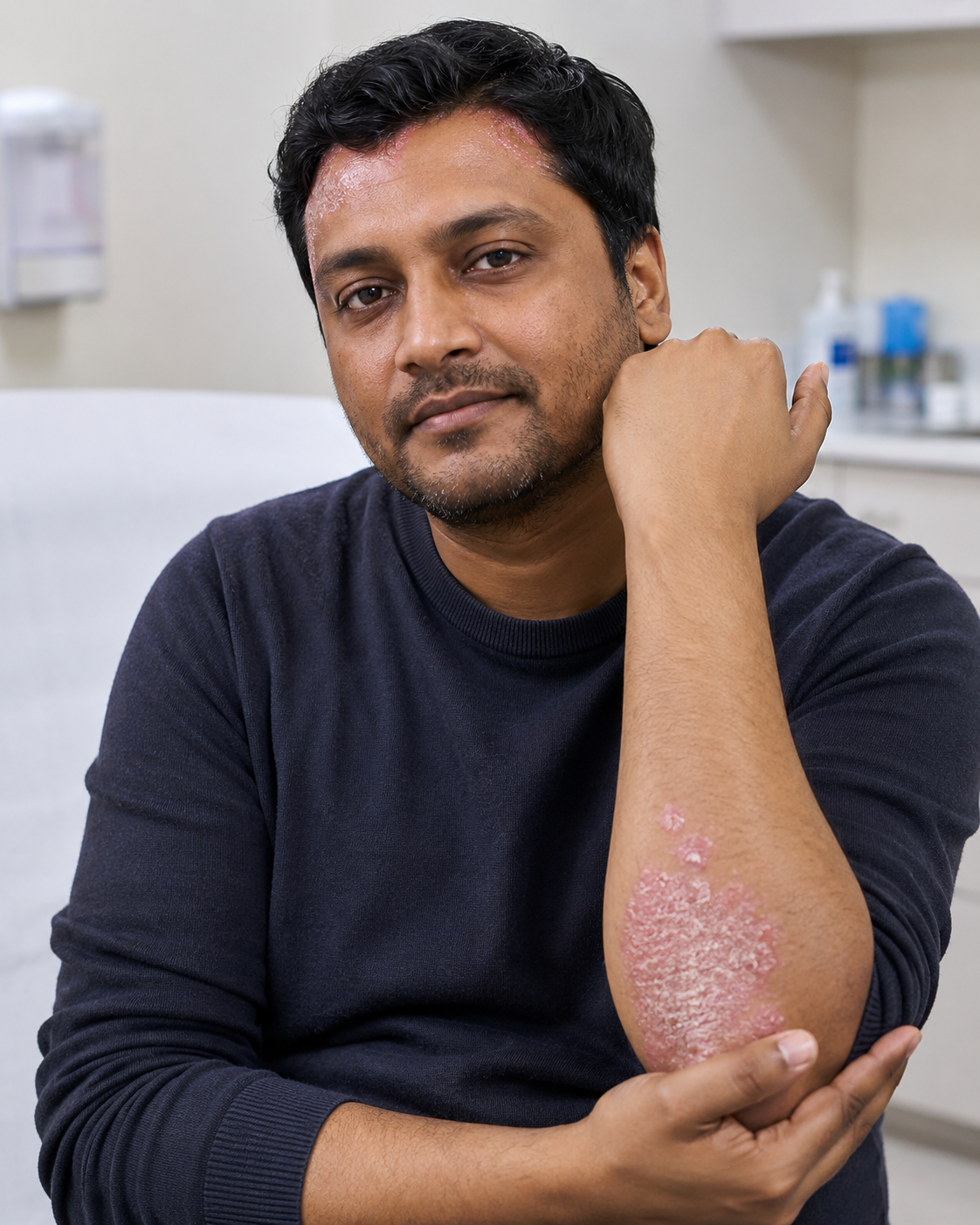
Medical care for skin concerns
Medical dermatology is the assessment, diagnosis and management of skin conditions. Some concerns are mainly about appearance; others are signs of inflammation, infection, allergy or another underlying problem. Our aim is to find out why a problem is happening before recommending treatment.
At IAMC, dermatology sits alongside our dental and aesthetic services, so you can discuss medical skin conditions and appearance-related concerns in one place.
Skin conditions we commonly assess and manage
You do not need to know the name of your condition before you book. Tell us what you have noticed and the dermatologist will assess it.
What happens at a dermatology consultation
- Your historyWe ask about your symptoms, how long they have been present, possible triggers, the products you use, your medicines and relevant health history.
- Skin examinationThe dermatologist examines the affected skin and, where helpful, other areas.
- Tests if neededSome conditions need further tests, such as swabs, blood tests or a biopsy, before treatment is decided.
- Your treatment planWe explain the likely diagnosis, your options, possible side effects and how long treatment may take.
- Follow-upMany skin conditions improve gradually, so we review your progress and adjust the plan.
Treatment options
Treatment depends on the diagnosis, your skin type and your preferences. Your plan may combine more than one approach.

Treatment planned for deeper skin tones
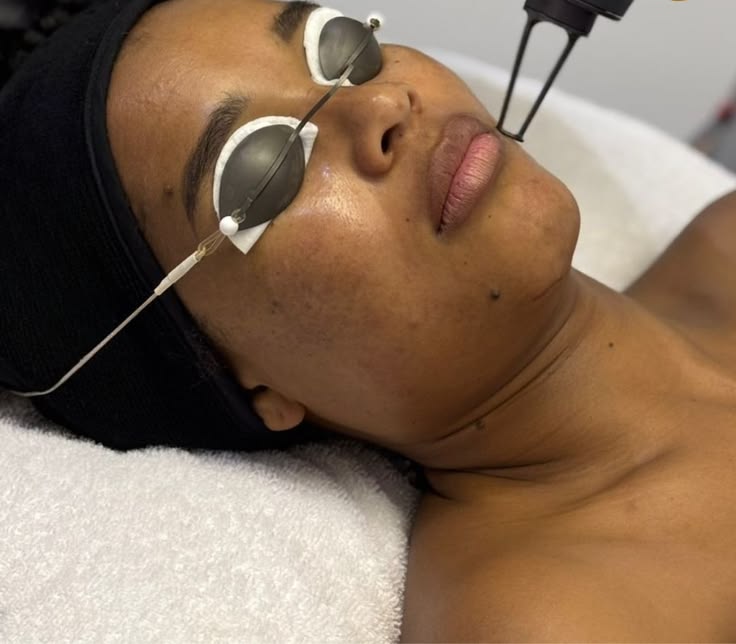
Deeper skin tones are more prone to post-inflammatory hyperpigmentation: dark marks that can follow acne, eczema, irritation or an overly aggressive treatment. Some people are also more prone to raised scars. This affects which products, peels and devices are suitable, and how strong they should be.
We plan treatment with this in mind, often starting gently and building up gradually.
Why choose IAMC for dermatology
Consultation with our dermatologist
Your concern is assessed by our dermatologist before any treatment is recommended.
Medical and aesthetic care together
Discuss skin conditions and appearance-related concerns in one place, with one coordinated plan.
Honest, realistic advice
We explain what is realistic, how long treatment may take, and when referral or no treatment is the better option.
Convenient Kilimani location
On Argwings Kodhek Road, with Saturday appointments and online consultations available.
Frequently asked questions
Do I need a referral to see the dermatologist?
No. You can book directly. If you have letters, test results or a list of previous treatments from another doctor, please bring them.
Can I have a dermatology consultation online?
An online consultation can be useful for initial advice, follow-up and reviewing progress. Some concerns, such as a changing mole, need to be examined in person.
How long will it take for my skin to improve?
It depends on the condition. Many treatments for acne, pigmentation and eczema take several weeks before improvement is noticeable, and some conditions need ongoing management. Your dermatologist will explain what to expect.
Can you remove dark marks and pigmentation?
Pigmentation can often be improved, but it usually responds gradually and can return without sun protection and ongoing care. Melasma in particular tends to recur. Treatment is planned carefully to avoid making pigmentation worse.
Will I need to stop my current skin products?
Possibly. Some products irritate the skin or work against treatment. Bring them, or photos of their labels, to your consultation.
How much does a dermatology consultation cost?
Please contact our team for the current consultation fee and what it includes. Treatment costs are explained before you start.
Do you accept medical insurance?
We work with insurers including Heritage, Bupa, Cigna and Allianz, among others. Cover depends on your provider and policy, so please confirm your benefits with our team before your visit.
This page gives general information and does not replace a consultation. Suitable treatment and results vary from person to person.


Get a clear plan for your skin.
Book a consultation with our dermatologist to discuss your concern, understand your options and agree the next steps.