
Laser Skin Treatments in Kilimani, Nairobi
Laser and light-based treatments can help with selected concerns such as unwanted hair, uneven pigmentation and redness. Because lasers affect each skin type differently, every treatment at IAMC starts with an assessment of your skin, your concern and whether laser is the right option for you.
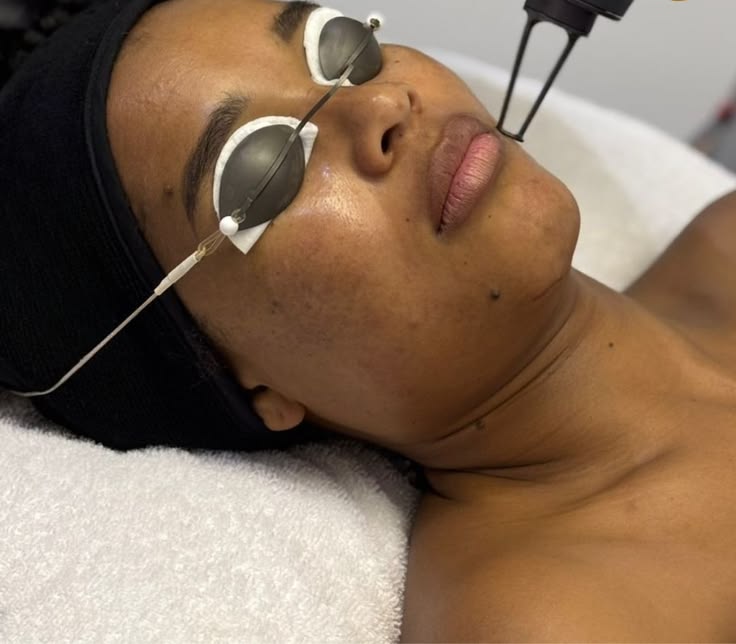
How laser treatments work
A laser delivers light energy at a specific wavelength. The energy is absorbed by a chosen target in the skin, such as the pigment in a hair follicle, excess pigment or small blood vessels, while the surrounding skin is protected as far as possible.
Different devices and settings suit different concerns and skin tones. The options available to you depend on the technology at the clinic and on the assessment of your skin.
Concerns laser may help with
Laser hair removal
Laser energy targets the pigment in hair follicles to reduce regrowth. Because hair grows in cycles, a course of several sessions spaced weeks apart is usually needed, and occasional maintenance sessions may be recommended.
Areas commonly treated include the face, underarms, arms, legs, bikini area, back and chest.
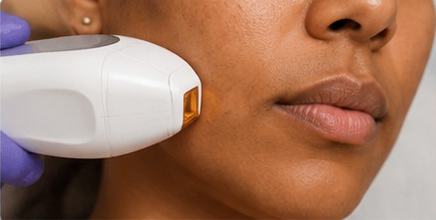
Laser treatment and deeper skin tones
Laser can be used on many skin tones, but deeper skin contains more melanin, which also absorbs laser energy. With the wrong device or settings, this raises the risk of burns, blistering and dark or light patches.
To lower that risk, your clinician considers your skin type, may recommend a test patch and uses settings suited to your skin. Sometimes the safest advice is a different treatment instead of laser.
Your treatment step by step
- Consultation and assessmentWe review your skin, your concern, your medical history and any medicines, and explain whether laser is suitable and what results are realistic.
- Test patch where appropriateA small area may be treated first so we can check how your skin responds.
- Preparing your skinFor hair removal you may be asked to shave the area beforehand and avoid waxing, plucking or threading. Avoid sun exposure before sessions.
- The treatment sessionProtective eyewear is worn, the skin is cleaned and the laser is applied in sections. Many people feel a brief snapping or warm sensation; cooling and settings are adjusted for comfort.
- Aftercare and reviewYou receive aftercare instructions and a plan for your next session, and we review how your skin has responded.
Aftercare, side effects and risks
Mild redness, warmth and swelling are common for a few hours to a few days. Aftercare usually includes gentle skin care, avoiding heat and friction for a short time, and daily sun protection.
Less common side effects include blistering, crusting, temporary darkening or lightening of the skin and, rarely, scarring. Pigment changes are more likely in deeper skin tones and on tanned skin. Contact the clinic if you notice blistering, increasing pain or signs of infection.
Why choose IAMC for laser treatment
Assessment before treatment
Laser is offered only after your skin and concern have been assessed and suitability confirmed.
Within a medical clinic
Our dermatologist is on the team to assess skin conditions that may affect treatment.
Clear expectations
We explain the likely number of sessions, costs and realistic results before you begin.
Safety at every session
Protective eyewear and clinical safety procedures are used for every treatment.
Frequently asked questions
Is laser treatment painful?
Sensation varies by area and device. Many people describe a brief snapping or heat sensation. Cooling and adjustments to the settings help, and your clinician checks your comfort throughout.
How many sessions will I need?
Most concerns need a course of treatment. Hair removal commonly needs several sessions spaced several weeks apart, and pigmentation or texture concerns are also treated gradually. You will receive an estimate after your assessment.
Is laser hair removal permanent?
It provides long-term reduction in hair growth for many people, but it does not guarantee that every hair is removed permanently. Some regrowth is possible, and maintenance sessions may be recommended, for example after hormonal changes.
Can I have laser treatment if I have a dark skin tone?
Often yes, with the right device, settings and precautions. Your clinician will assess your skin and may recommend a test patch. If laser is not the safest option for your concern, we will explain the alternatives.
Can laser treat melasma?
Melasma is sensitive and tends to recur, and laser is not usually the first step; in some skin types it can make pigmentation worse. It is usually managed first with sun protection and prescription skin care, and laser is considered only selectively.
Is there any downtime?
After many sessions you can return to normal activities the same day, although redness may last a short time. Some treatments need more recovery; you will be told what to expect beforehand.
Who should not have laser treatment?
Laser may be postponed or avoided during pregnancy, over active skin infections, on recently tanned skin and with some medicines that make the skin sensitive to light. Tell us about your health and medicines at your consultation.
How much does laser treatment cost?
Cost depends on the area, the concern and the number of sessions. Contact our team for current fees; costs are explained before you begin.
This page gives general information and does not replace a consultation. Suitable treatment and results vary from person to person.
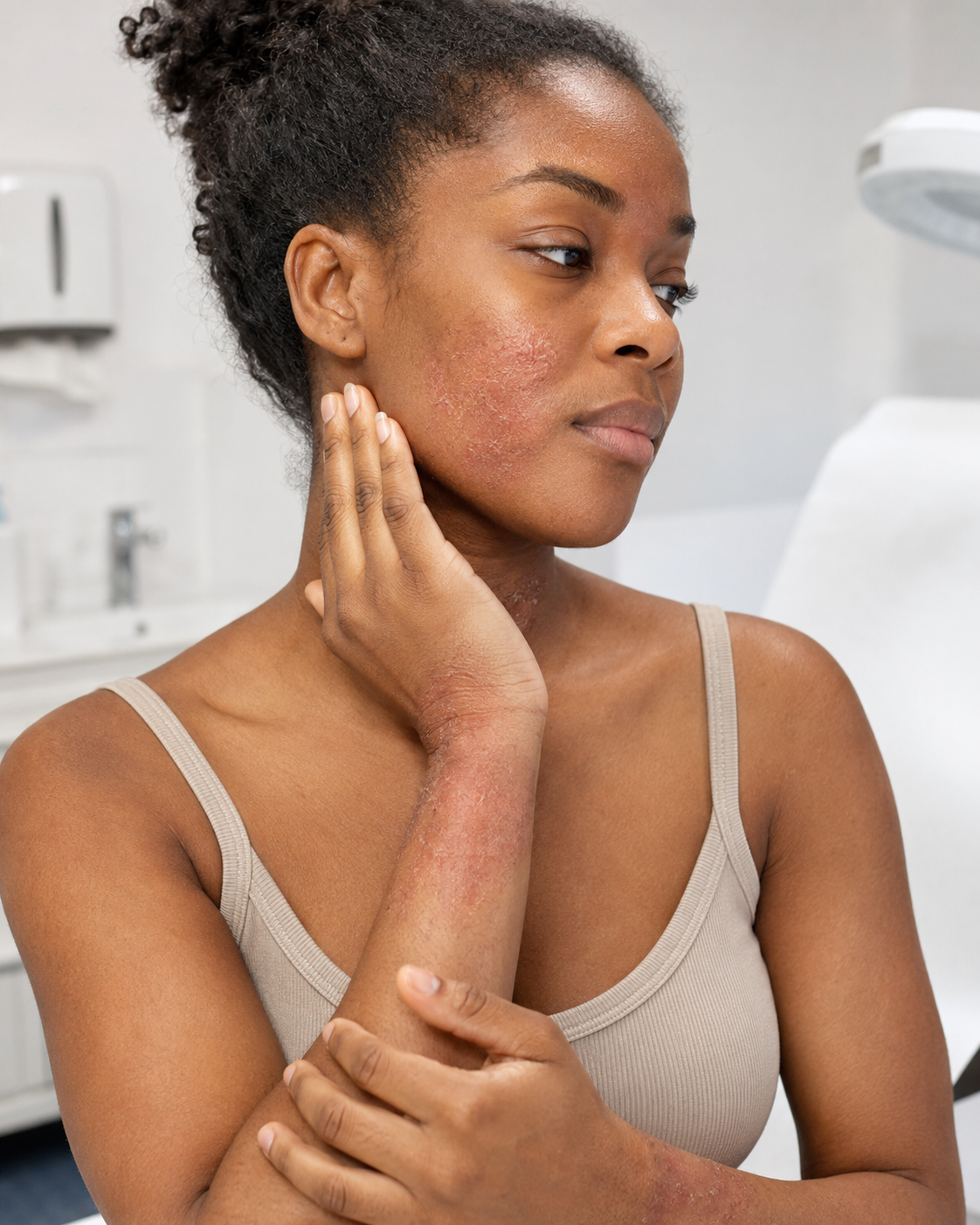


Find out whether laser is right for your skin.
Book an assessment to discuss your concern, your skin type and the options that suit you.