
Paediatric Fissure Sealants
Help protect your child's back teeth before cavities develop. At IAMC, our paediatric dentist assesses the deep grooves of baby and permanent molars and offers gentle, personalised sealant treatment where it is suitable.
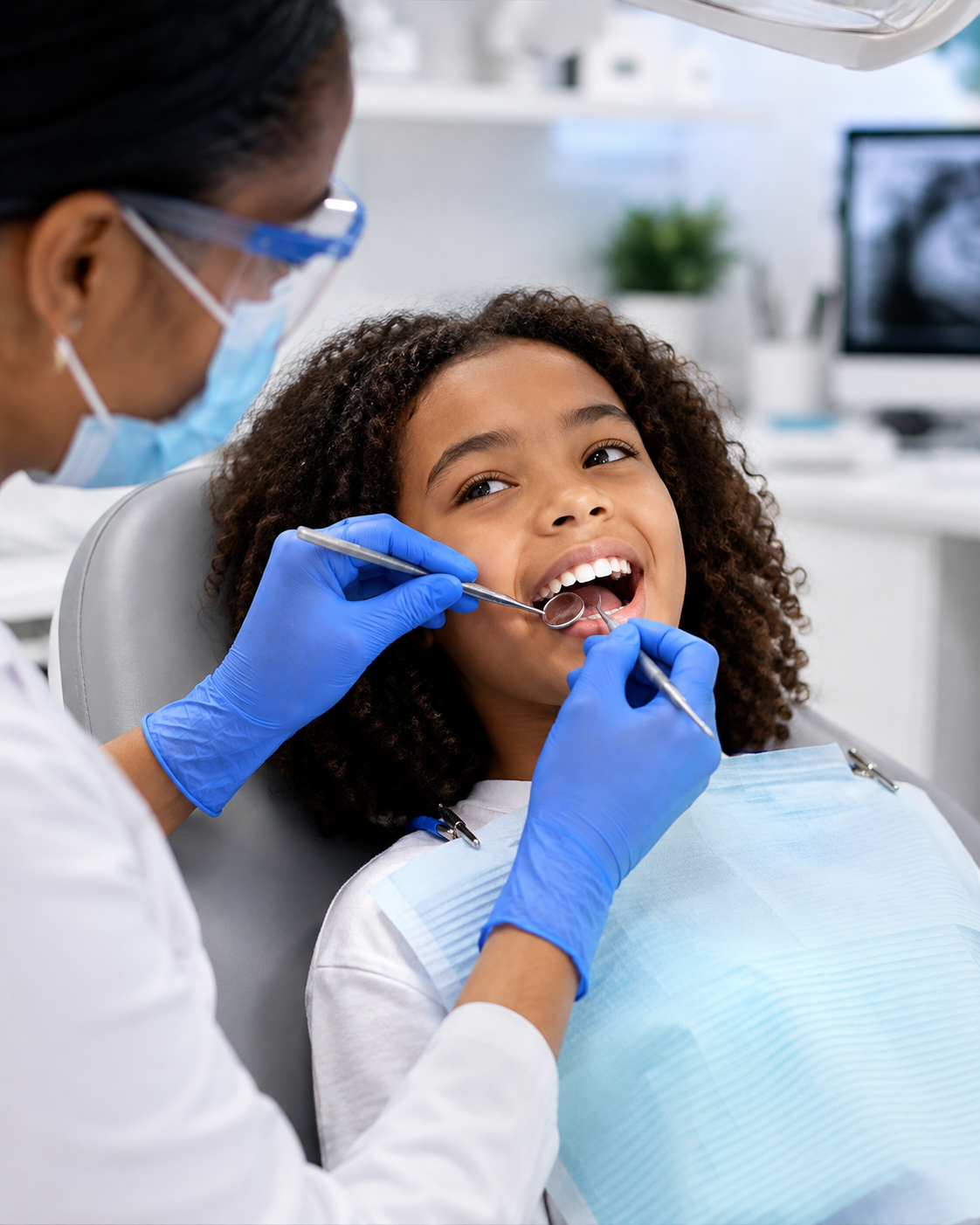
A little extra protection for growing smiles
Back teeth have narrow pits and grooves on their chewing surfaces. Even a child who brushes carefully can find these areas difficult to clean. Fissure sealants are thin protective coatings placed over suitable grooves to help keep food and bacteria from collecting in them.
The procedure is a preventive treatment—not a replacement for daily brushing, fluoride toothpaste or regular dental check-ups. Sealants can protect healthy chewing surfaces and, in selected cases, help prevent very early, non-cavitated enamel decay from progressing.
How do fissure sealants protect children's teeth?
A molar’s chewing surface is not completely smooth. Its grooves can be narrow enough that toothbrush bristles do not reach their deepest parts. A sealant flows into selected pits and fissures, creating a smoother protective surface where plaque is less likely to accumulate.
Sealants are most commonly used on suitable molars and may also be considered for other teeth with deep grooves. The paediatric dentist first checks the tooth for decay and evaluates whether the surface can be effectively sealed.
Which children may benefit from fissure sealants?
Our paediatric dentist assesses each child's cavity history, molar eruption, enamel condition, oral hygiene, diet and the shape of the tooth grooves. Sealants may be especially useful for:
What materials are used for fissure sealants?
Different sealant materials can be appropriate depending on the tooth, how far it has erupted and whether the surface can be kept dry while the material is placed. We explain the selected approach before treatment.
What happens during a fissure sealant appointment?
Applying a sealant is usually straightforward, and most children can return to normal activities after their dentist's instructions. Depending on the tooth and material, the process typically involves:
- Assessing the toothWe examine the molar and confirm it is suitable for preventive sealing rather than another treatment.
- Cleaning the chewing surfaceWe remove plaque and debris so the sealant can adhere to the selected pits and fissures.
- Keeping the area as dry as possibleGentle isolation with cotton rolls or other aids helps the material bond properly.
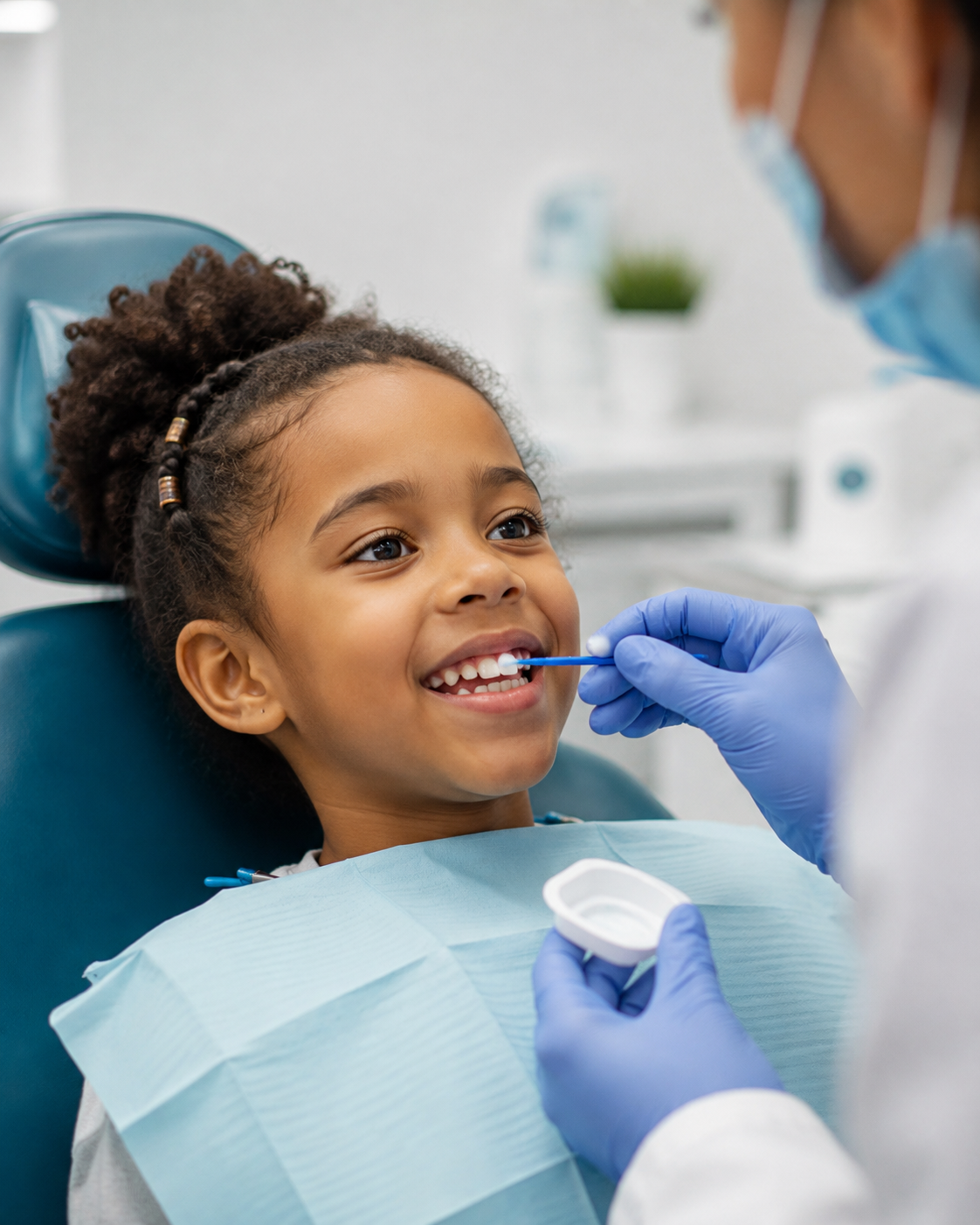
- Preparing the enamelFor many resin sealants, a conditioning gel is applied and then rinsed away before the surface is dried.
- Placing and setting the sealantThe coating is flowed into the grooves and cured or allowed to set according to the material.
- Checking the finished sealantWe check coverage and how the teeth bite together, and share cleaning and follow-up advice.
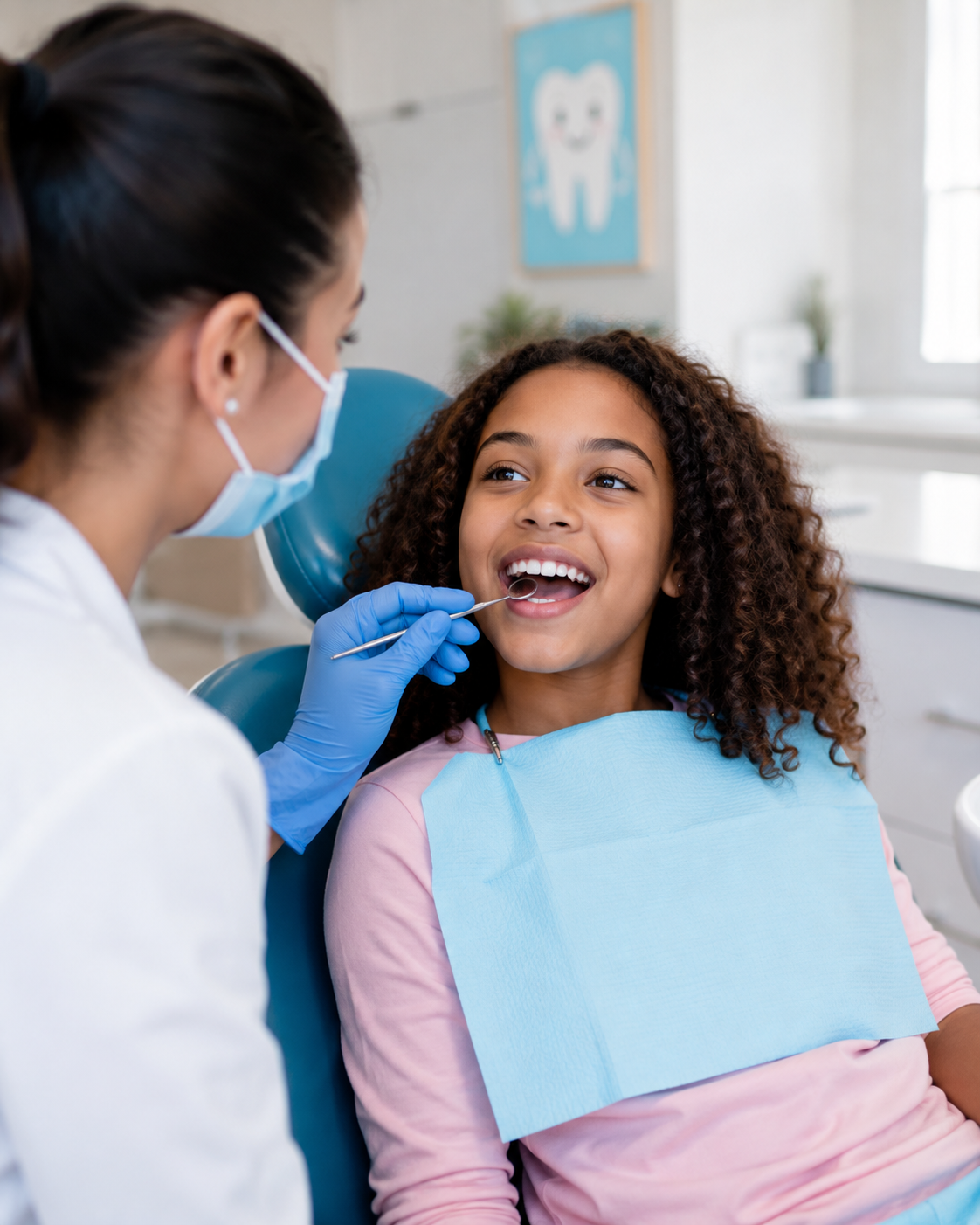
Why parents choose sealants as preventive care
Fissure sealants can help reduce the chance that vulnerable chewing surfaces develop cavities. Early protection is especially valuable during childhood and adolescence, when newly erupted molars may be harder to brush well.
Protection where brushes struggle
The coating covers pits and grooves that are difficult to clean thoroughly.
Conserving healthy enamel
Preventive sealing can help avoid more extensive decay-related treatment in suitable teeth.
Child-friendly application
Routine sealing of intact enamel is usually completed without drilling or local anaesthetic.
Part of lifelong healthy habits
The visit supports discussion about brushing, sugar frequency, fluoride and regular reviews.
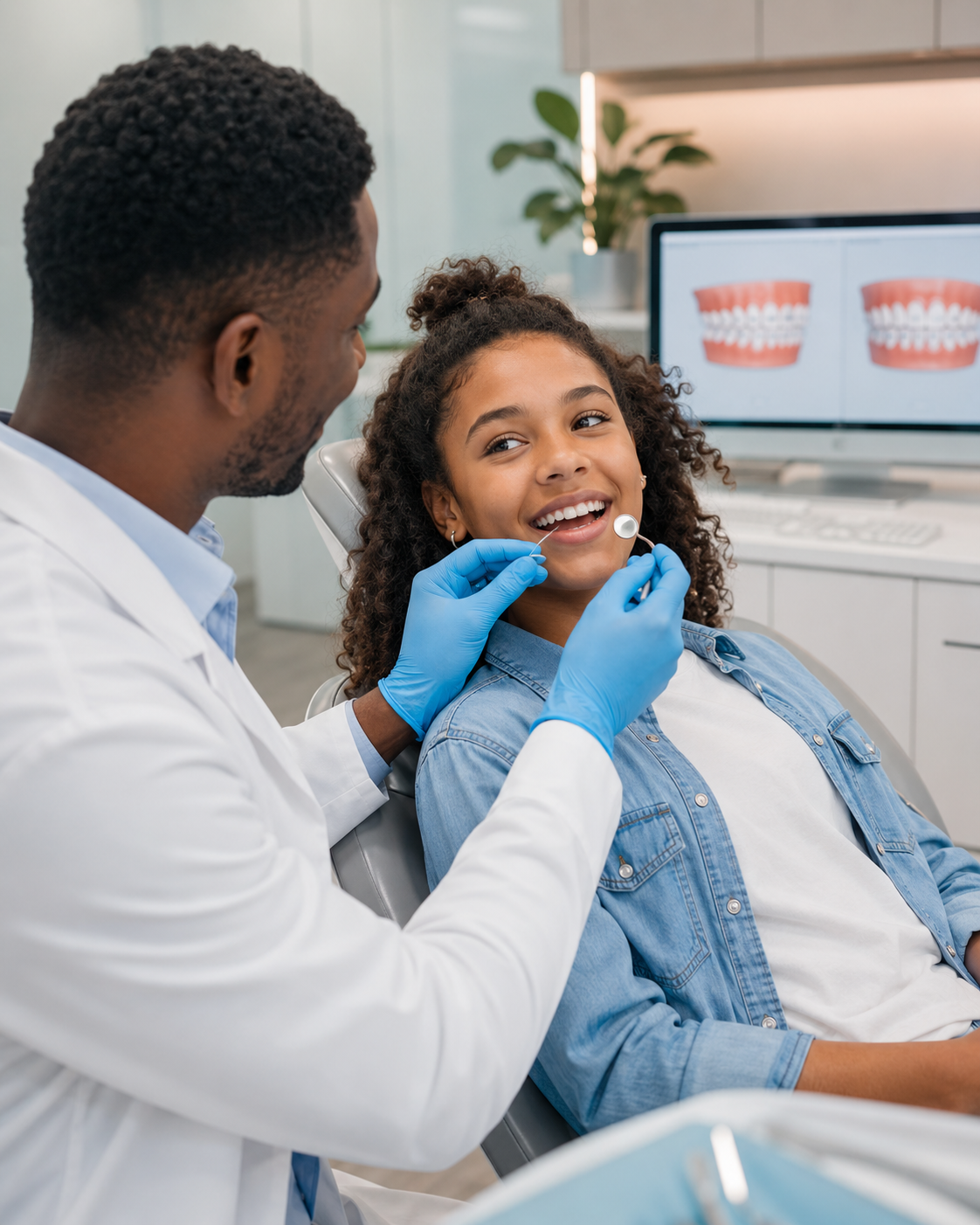
Aftercare, checking sealants and keeping teeth healthy
After an appointment, children can generally eat and drink as advised by their dentist. Follow any instructions given for the specific sealant material. The coated surface may feel slightly different to the tongue at first.
- Continue brushing twice daily with age-appropriate fluoride toothpaste and supervise brushing as needed.
- Keep sugary drinks and frequent sugary snacks to a minimum as part of a broader decay-prevention routine.
- Attend routine dental check-ups so sealants can be inspected for wear, partial loss or areas needing repair.
- Ask for an assessment if a sealant seems damaged, the bite feels uncomfortable or a tooth develops pain or sensitivity.
- Remember that sealants cover particular surfaces: other tooth areas still need routine cleaning and preventive care.
Why choose IAMC for your child's fissure sealants?
We make prevention personal. With dedicated paediatric dental care, carefully selected materials and practical support for parents, our team helps protect young smiles in a comfortable, supportive setting.
Dedicated Paediatric Dentist
Your child's care is guided by a dentist focused on children's developing teeth, oral health and comfort.
Prevention-Focused Dentistry
Our approach focuses on protecting vulnerable molars early and reducing the need for more extensive treatment whenever possible.
Gentle, Child-Friendly Visits
We explain each step in age-appropriate language and use a calm, reassuring approach that respects your child’s comfort.
Careful Tooth-by-Tooth Assessment
Sealants are recommended based on the grooves, eruption stage and decay risk of individual teeth—not simply a child’s age.
Quality Materials and Technique
We focus on proper surface preparation, moisture control, careful application and checking the bite after placement.
Follow-Up and Parent Guidance
We review sealants as your child grows and advise on brushing, fluoride, diet and preventive dental visits.
Frequently asked questions
Are fissure sealants safe for children?
Sealants are an established preventive dental treatment for suitable teeth. Your dentist will discuss the materials and any individual considerations during the appointment.
Do fissure sealants hurt?
Routine sealant placement on sound tooth enamel is generally comfortable and usually needs no drilling or local anaesthetic. A child with an existing cavity may need a different procedure.
At what age should my child have sealants?
There is no single age for every child. Sealants are often considered as permanent molars erupt, and suitable baby molars may also benefit. Timing is based on each tooth's eruption and decay risk.
Can sealants be placed on baby teeth?
Yes, selected primary molars with deep or vulnerable grooves may be suitable following a dental examination.
How long do fissure sealants last?
They can protect teeth for years but may wear or partially detach. They should be checked at regular dental visits and repaired or replaced when needed.
Does my child still need fluoride toothpaste?
Yes. Sealants protect selected pits and fissures, while fluoride toothpaste supports the protection of all tooth surfaces. Both can be useful within a personalised preventive plan.
Can a sealant be placed over early decay?
Selected non-cavitated, early lesions can sometimes be sealed, but the dentist must first examine the tooth and decide whether sealing or restorative treatment is indicated.
Can my child eat normally afterward?
Many children can return to normal eating after treatment, but follow the instructions supplied for the particular material and application.
Will sealants prevent every cavity?
No. They help protect vulnerable chewing-surface grooves but do not replace brushing, fluoride, a balanced diet or regular dental examinations.
Give your child's smile a little extra protection.
Book an appointment with our paediatric dental team to discuss your child's molars, cavity risk and the preventive care options that may be suitable.