What are dentures?
Dentures are custom-made removable replacement teeth that can restore part or all of a dental arch. A complete denture replaces every tooth in an upper or lower jaw. A partial denture replaces selected missing teeth and works alongside the natural teeth that remain.
The design aims to support appearance, chewing, speaking and the contours of the smile while making cleaning manageable. The best option depends on gum and jaw shape, the condition of remaining teeth, the bite, hand dexterity, comfort goals and maintenance preferences.
At IAMC, dentures are not viewed as a one-size-fits-all appliance. Your clinician assesses the tissues that support the denture, plans tooth position and lip support, and discusses whether conventional retention or additional implant support may be appropriate.
01 — Complete dentures for a full upper or lower arch
Complete dentures replace all teeth in one jaw. An upper denture may cover part or all of the palate according to the design, while a lower denture must work around the tongue and the shape of the lower ridge. Retention depends on mouth anatomy, tissue adaptation, saliva and the accuracy of the fit.
Planning takes account of facial support, the smile line, tooth size and shade, speech sounds and how the upper and lower teeth contact. Dentures may help rebuild the visual appearance of missing teeth, but the mouth needs time to adapt to a new appliance.
As gums and jaw ridges change after tooth loss, a complete denture may require adjustments, relining or replacement. This is why follow-up appointments and maintenance form part of the treatment journey.
- Examination and suitability Review jaw ridges, oral tissues, bite and the goals of the new denture.
- Impressions and measurements Capture the denture-bearing areas and relationships between the jaws.
- Tooth selection and try-in Review tooth shape, shade, arrangement, smile appearance and speech where indicated.
- Final fitting Check seating, retention, bite, pressure areas and patient comfort.
- Adaptation and review Make adjustments where needed and explain day-to-day cleaning and care.
02 — Partial dentures for selected missing teeth
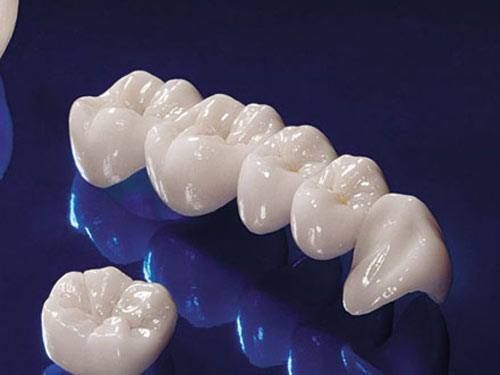
A partial denture replaces one or more missing teeth when some natural teeth remain. It may include a gum-coloured base, artificial teeth, clasps, rests or other components depending on the design. Partials can help restore the appearance of gaps and provide replacement chewing surfaces.
An acrylic partial denture can suit various interim or longer-term plans, while a custom metal-framework partial may provide a rigid support structure for suitable teeth. Design decisions depend on which natural teeth are present, their periodontal health and the forces expected during chewing.
Good cleaning is particularly important because the removable framework and its supporting teeth need to remain healthy. The clinician will explain how to insert, remove and care for the appliance without damaging teeth or clasps.
03 — Immediate dentures after tooth extraction
An immediate denture is prepared before selected remaining teeth are removed and is placed around the time of extraction. It allows temporary replacement teeth to be present during early healing in suitable cases, which may be especially helpful when front teeth are involved.
The gums and underlying ridge change after extraction. Because the original impression was taken before the teeth were removed, an immediate denture often needs extra adjustments as healing progresses. A temporary liner, reline or new definitive denture may be recommended later.
Immediate dentures are planned differently from conventional dentures made after healing. Your clinician will explain extraction aftercare, denture wear during the first period and when to return for assessment.
- Denture design, tooth appearance and a provisional fitting strategy are discussed before extraction.
- After extractions, the immediate appliance is inserted and assessed for comfort and bite.
- Follow-up visits monitor healing, pressure points and the changing fit.
- A longer-term reline or definitive replacement may be planned after the tissues stabilise.
04 — Implant-retained dentures and overdentures
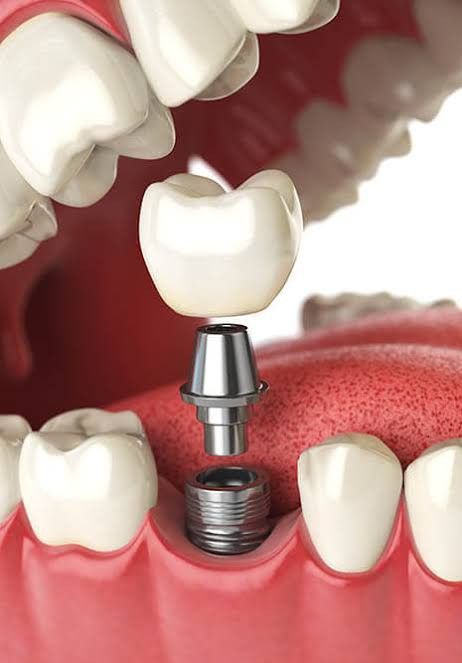
An implant-retained overdenture is a removable denture that connects to dental implants using compatible attachments. This can improve retention in selected patients, particularly where a conventional lower denture is difficult to keep stable.
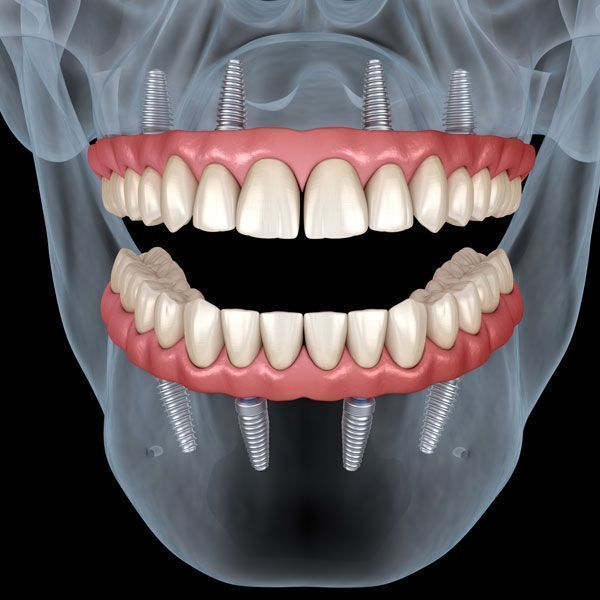
The number and positions of implants, bone support, available prosthetic space and choice of attachments are assessed before surgery. Options may involve individual stud-style attachments or other supported designs as appropriate. An implant overdenture is removed by the patient for cleaning; it is different from a fixed All-on-X bridge.
Implant retention introduces a separate surgical pathway and maintenance needs. Patients must keep both the prosthesis and the implant attachments clean and attend review visits for potential wear and adjustment of retention components.
Denture materials, tooth design and comfort
Denture design involves more than selecting white teeth. The clinician and laboratory consider the contours of the gums, tooth position, shade, smile width, speech, lower-face support and the relationship between the jaws.
Depending on the type of denture, common materials include acrylic bases, composite or acrylic denture teeth and carefully designed metal-framework elements. Material selection is based on the prosthesis type and its support needs, cleaning requirements, patient preferences and the clinician’s assessment.
In some cases, digital scans and digitally assisted laboratory workflows are suitable. In others, conventional impressions and physical trial dentures are preferred to capture soft tissue form and function reliably.
Your denture consultation and planning
Your appointment begins with the concerns that matter most: missing teeth, a loose existing denture, difficulty chewing, a change in appearance or interest in implant retention. The clinician examines the gums, oral tissues and remaining teeth, and checks the current bite and any existing prosthesis.
Appropriate records may include impressions or scans, photographs, bite measurements and radiographs when indicated. Together, you review the expected design, fitting visits, adaptation period and ongoing maintenance.
- Examination of the gums, supporting ridges, palate and remaining natural teeth.
- Review of a current denture, including fit, pressure areas, bite and tooth wear.
- Discussion of complete, partial, immediate and implant-retained options where suitable.
- Planning tooth shape, shade, gum contour, lip support and speech requirements.
- Explanation of try-in stages, fitting adjustments, hygiene, maintenance and replacement needs.
Step-by-step denture fitting journey
- Consultation and treatment selection Review your oral health and choose the intended denture design.
- Impressions or digital records Capture tissue anatomy and necessary bite records for the laboratory.
- Jaw relationship and tooth setup Record how the jaws meet and plan tooth position, shade and smile appearance.
- Try-in appointment Where indicated, review the proposed setup for fit, tooth position, speech and bite.
- Final manufacture and insertion Fit the completed denture; check retention, pressure areas, comfort and biting contacts.
- Adjustment and follow-up Review sore areas, looseness or chewing concerns as you become accustomed to the appliance.
- Long-term reviews Reassess oral tissues, supporting teeth, fit and any need for repair, reline or replacement.
Getting used to dentures: eating, speech and confidence
New dentures often need a period of adaptation. Speech may sound different initially, and the tongue, lips and cheeks have to learn how to work with the appliance. Small, manageable bites and practice with everyday speaking can help, alongside the advice supplied at fitting.
If a denture causes persistent sore spots or repeatedly dislodges, it should be examined and adjusted professionally. Do not try to grind or reshape the denture yourself. If you use denture adhesive, ask your clinician when it is appropriate; adhesive should not hide an appliance that needs refitting.
With thoughtful design, realistic instructions and follow-up care, many patients can gain confidence in using their removable replacement teeth.
- Begin with softer foods and progress as advised, chewing carefully on both sides where appropriate.
- Practise speaking and reading aloud if unfamiliar sounds need adaptation.
- Attend fitting checks promptly for rubbing, pressure points or changes in bite.
- For an immediate denture, follow the extraction-specific wearing instructions supplied by your clinician.
Daily denture cleaning and ongoing maintenance
Remove and clean dentures in accordance with the advice for their material and design. Carefully brush the appliance using appropriate cleaning products, and clean the gums, tongue and any remaining natural teeth. Some materials can be damaged by abrasive cleaners or hot water.
Your clinician will explain whether the denture should be removed while sleeping, how it should be stored and when it may need disinfection. Implant-retained dentures also require thorough cleaning of attachments and the surrounding implant tissues.
As oral tissues change, an appliance may become loose. Periodic checks can identify a need for relining, repair or replacement. New discomfort, swelling, ulcers or persistent soreness should be assessed rather than tolerated.
- Clean the removable appliance daily with a method suited to its material.
- Clean any remaining teeth, gum tissues and tongue carefully.
- Protect the appliance from accidental damage during cleaning and storage.
- Arrange an appointment if a clasp breaks, retention changes or the denture rubs.
- Maintain periodic dental reviews even when you no longer have any natural teeth.
Which denture option may suit your needs?
Your consultation identifies which options fit the health of your gums, bone, remaining teeth and your personal goals.
| Denture type | Typical situation | Features to discuss |
|---|---|---|
| Complete denture | All teeth missing in an arch | Ridge support, retention, fit, comfort and future relining. |
| Partial denture | Some healthy natural teeth remain | Framework design, support from teeth and gums, hygiene and clasps. |
| Immediate denture | Replacement teeth required around the time of extraction | Early healing, additional adjustments and later relining. |
| Implant-retained overdenture | A suitable patient wants extra removable-denture retention | Implant surgery, attachments, cleaning and maintenance. |
| Fixed implant full arch | Suitable full-arch patients considering fixed teeth | Surgery, implant distribution and specialist hygiene and review needs. |
Frequently asked questions
Can dentures replace every missing tooth?
Yes. A complete denture replaces a full arch; partial dentures replace selected missing teeth when others remain.
Can dentures look natural?
The tooth arrangement, size, shade and gum contour can be planned to complement the patient’s smile and facial features.
What is the difference between complete and partial dentures?
Complete dentures replace all teeth in an arch. Partial dentures fill gaps while some natural teeth remain.
What are immediate dentures?
They are made before planned extractions and supplied around the time the teeth are removed. Adjustments are often required during healing.
Will I need more than one denture appointment?
Usually. Records, bite measurements, try-in, insertion and adjustment visits may be needed.
Will eating and speaking feel normal immediately?
Adaptation varies. Many patients need practice and adjustments while learning to use a new appliance comfortably.
Are implant-retained dentures fixed?
An implant-retained overdenture is removable by the patient. A fixed implant-supported arch is a separate type of prosthesis.
Should I sleep wearing dentures?
Follow your clinician’s specific advice; most routine denture care plans include periods without the appliance to support tissue health.
How should I clean dentures?
Use appropriate cleaning tools and products for the material, and clean your mouth and any remaining teeth as advised.
What if my dentures become loose?
Changes in gums and ridge shape can affect fit. A professional review can determine whether adjustment, relining or replacement is appropriate.
Do dentures need replacing?
They may require repairs, relining or replacement as the tissues and denture materials change over time.