
Minor Oral Surgery
Some dental and oral conditions need more than routine treatment. Explore how IAMC assesses and manages selected oral problems—from difficult teeth and retained roots to tissue biopsies, small swellings and surgical exposure of impacted teeth—with a focus on comfort, careful planning and recovery.
What is minor oral surgery?
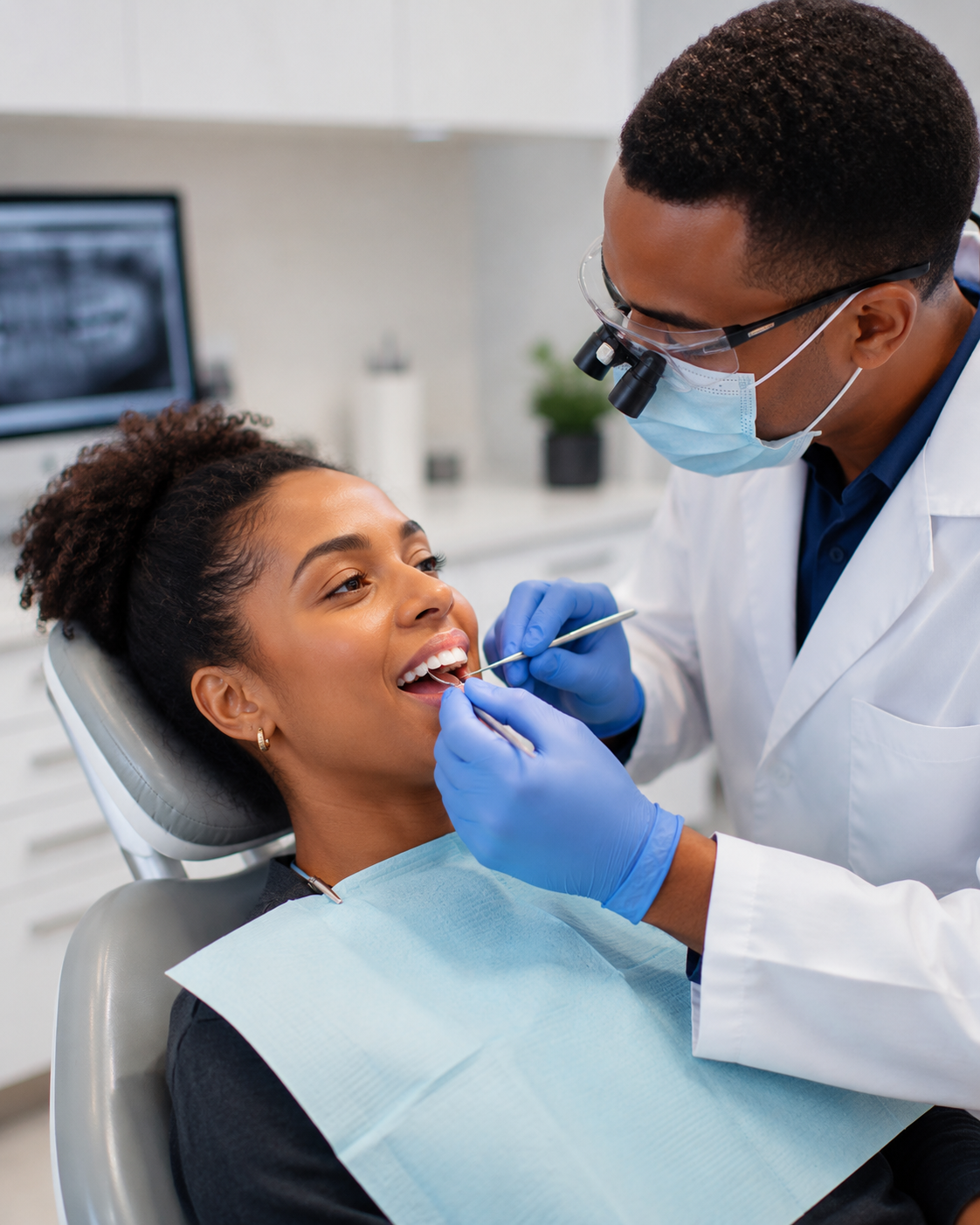
Minor oral surgery refers to selected surgical procedures carried out in the mouth to assess, diagnose or manage problems involving teeth, gums, soft tissues and nearby jawbone. Some procedures are relatively straightforward; others require more specialised planning or referral depending on the site, diagnosis and complexity.
At Implant & Aesthetic Medical Centre (IAMC), the starting point is a careful examination and an explanation of whether surgery is genuinely needed. A retained tooth root, persistent oral swelling, a lesion that requires testing or an impacted tooth may each need a different approach.
Whenever a tooth or tissue can be treated predictably without surgery, less invasive options should be considered first. When surgery is recommended, the goal is to address the underlying problem while protecting adjacent teeth, soft tissues and important anatomical structures.
What conditions can minor oral surgery address?
The procedure recommended depends on the diagnosis. Typical examples include the following, though not every case is suitable for treatment in a general dental setting.
Your consultation, clinical examination and investigations
Before planning minor oral surgery, the clinician assesses both your oral condition and your medical circumstances. Your consultation may include:
- A history of the problem, its duration, pain or bleeding, previous treatment and changes in size or appearance.
- An oral examination of teeth, gums, tongue, cheeks, palate and other relevant tissues, with assessment of neighbouring structures.
- Review of medicines, blood-thinning treatment, allergies, medical conditions, tobacco use and factors that may influence healing.
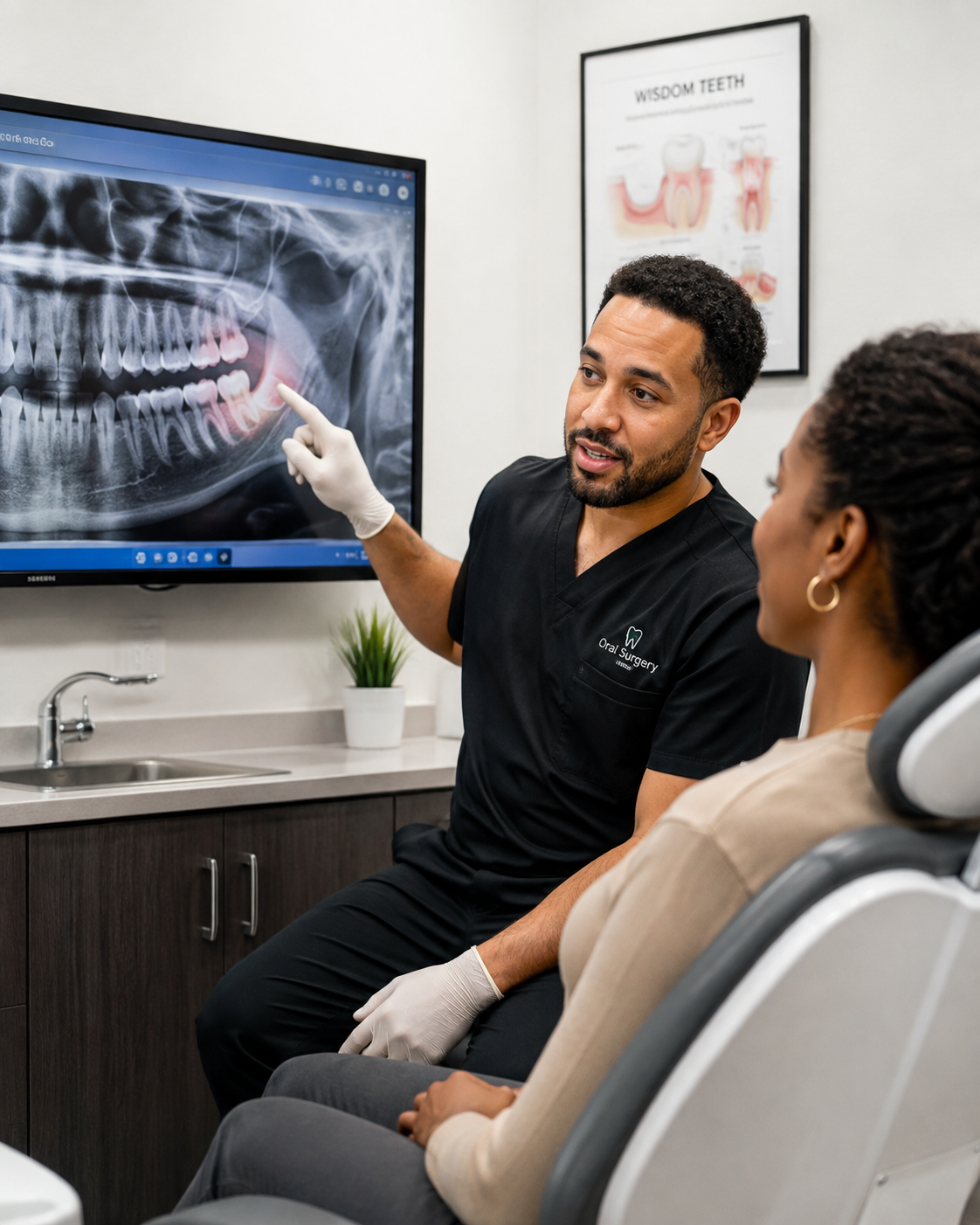
- Dental X-rays where appropriate; three-dimensional imaging may be indicated for more complex relationships to nerves, the sinus or adjacent teeth.
- Discussion of possible diagnoses and whether a biopsy, laboratory assessment or specialist referral is needed.
- A personalised plan covering treatment choices, anaesthesia, expected recovery, costs, follow-up and any alternatives.
Understanding the main minor oral surgery procedures
Minor oral surgery includes several different techniques. The sections below explain what each may involve and how the plan is determined.
1. Surgical removal of a difficult tooth or retained root
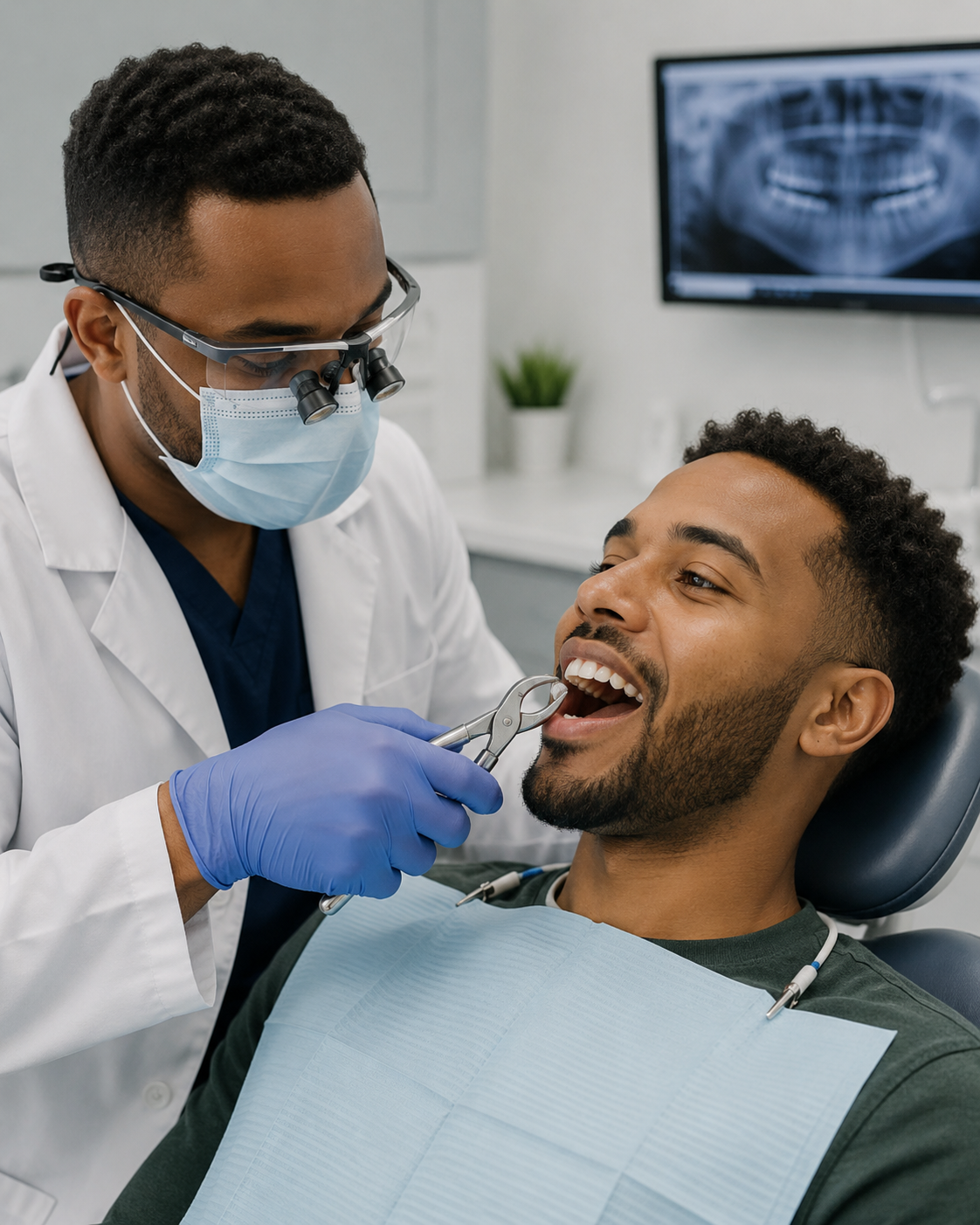
When a tooth cannot be removed predictably using a simple extraction technique, the clinician may need to gently lift the gum, remove a limited amount of bone or divide the tooth into smaller sections. The approach aims to remove the indicated tooth or root while minimising avoidable injury to nearby tissues. Treatment planning includes review of the tooth shape, adjacent roots, anatomical structures and whether an underlying infection is present.
2. Investigation of an oral lump or soft-tissue lesion
A mouth lesion might be caused by irritation, inflammation, infection or another condition. The dentist examines the site, records its characteristics and determines whether a tissue sample is necessary. In an incisional biopsy, a representative portion is sampled; in a suitable excisional biopsy, a lesion may be removed in its entirety. The tissue is sent for microscopic examination when indicated. The diagnosis and subsequent care depend on the pathology findings—not simply on how the lesion appears.
3. Selected cyst or swelling procedures
Some localised swellings require imaging, aspiration, tissue sampling or surgery. The clinician first determines where the swelling originates, whether a tooth is involved and how close it lies to nerves or other structures. Larger, recurrent or suspicious lesions may need a specialist surgical team and a separate treatment plan.
4. Surgical exposure of an impacted tooth
A tooth that remains beneath the gum may be exposed as part of a coordinated orthodontic plan. For selected impacted canines, the surgeon works with orthodontic planning so that the tooth can be guided toward an appropriate position. Exposure does not automatically mean the tooth will erupt independently, and ongoing orthodontic appointments may be required.
5. Selected frenum, gum and minor bone procedures
Where a tight soft-tissue attachment, overgrowth or uneven ridge causes a meaningful functional or restorative issue, the dentist may discuss carefully selected surgical options. For example, a frenum procedure is recommended only after assessment of the actual problem and less invasive alternatives; not every visible frenum requires treatment.
How your procedure is planned for comfort and safety
Minor oral surgery is tailored to the procedure, medical history and the site being treated. Local anaesthetic is commonly used to numb the region. Your clinician will explain sensations you may still feel, such as pressure or movement, and how to signal discomfort.
What happens on the day of minor oral surgery?
Although each procedure differs, the visit generally follows a structured clinical sequence.
- Assessment and confirmationWe review the diagnosis, planned procedure, medical history, relevant imaging and consent questions.
- Preparing the siteThe area is prepared and numbed with the agreed anaesthetic method. The clinician confirms adequate numbness before starting.
- The planned procedureThe tooth, root or tissue is treated using the technique appropriate to its location and clinical diagnosis.
- Tissue sampling, when appropriateA biopsy or excised specimen is labelled and submitted for histopathology when required, with plans for discussing the findings.
- Closure and haemostasisThe clinician checks the site for bleeding and may place sutures or local measures to support healing.
- Written aftercare and reviewYou receive personalised instructions, the next review date and guidance about symptoms that need urgent attention.
What are the potential benefits of appropriately planned surgery?
The purpose of treatment is to address a diagnosed problem and protect oral health. The potential benefit depends on the condition and procedure; surgery is not always the preferred option.
At IAMC, the expected benefits and alternatives are discussed during the consultation so you understand what surgery can—and cannot—achieve in your particular circumstances.
Recovery and care after oral surgery
Healing depends on the procedure, wound size, personal health and other factors. Some tenderness, temporary swelling or mild oozing can occur. Follow the written instructions provided after your actual treatment, as aftercare may differ for a tooth removal, soft-tissue biopsy or gum procedure.
Protect the surgical site
Avoid vigorous rinsing, spitting or disturbing a fresh clot when your clinician advises this. Eat suitable soft foods and avoid hot food while numb.
Gentle healing
Follow guidance for pain control, brushing, diet and any recommended mouth rinses. Mild swelling or bruising may vary by procedure.
Review the result
Attend review or suture appointments where required. If a sample was submitted for pathology, discuss the report and any next steps.
- Take prescribed or recommended medication only as directed by your clinician and advise them of allergies or medicine interactions.
- Choose gentle foods and avoid irritating the treatment site while it is healing.
- Continue oral hygiene as instructed, taking care around the wound. Do not aggressively brush a fresh surgical site.
- After the initial day, warm salt-water rinses may be advised for some procedures, but follow your own surgeon's instructions.
- Do not smoke or vape during healing, as these can impair recovery. Ask your clinician about suitable support for stopping.
If a biopsy is needed: understanding the results
An oral biopsy is a diagnostic procedure rather than a final diagnosis. A small sample of tissue is examined by a pathology service to determine the nature of the change. The clinician will explain the type of biopsy recommended, how the wound is managed and how the results will be communicated.
Some harmless-looking lesions may still need investigation, especially when they persist, change, bleed or have suspicious features. A lesion that requires specialist evaluation should not be treated as routine removal merely because it is small.
Depending on the report, no further intervention may be necessary, or the next step may be further examination, treatment or referral to an oral and maxillofacial or other relevant specialist. If a suspected serious lesion is identified, urgent referral is important.
Why choose IAMC for minor oral surgery?
WHY CHOOSE IAMCAt Implant & Aesthetic Medical Centre, we aim to make oral surgery decisions understandable and personalised. Our care pathway is guided by careful assessment, appropriate planning, patient comfort and follow-up.
Experienced clinical assessment
Your treatment begins with a careful evaluation of the problem and a clear explanation of which surgical or non-surgical approach is appropriate.
Digital imaging when indicated
Appropriate dental imaging supports planning around roots, jawbone and important anatomy. Three-dimensional scans are considered where clinically justified.
Thoughtful, conservative planning
We consider tooth preservation and less invasive options before recommending a procedure, with referrals when specialist care is preferable.
Comfort-focused treatment
We explain local anaesthesia, what the visit involves and how to communicate discomfort during your appointment.
Coordinated dental services
Where needed, surgical decisions can be aligned with impacted-tooth management, orthodontics, restorations and future oral-health care.
Clear aftercare and follow-up
We emphasise practical recovery instructions, planned reviews and discussion of any biopsy results or additional treatment needs.
Frequently asked questions
What is the difference between minor oral surgery and a routine filling?
A filling restores a tooth without necessarily involving a surgical incision. Minor oral surgery may involve removal of tissue or a tooth/root, a biopsy, or an incision to access a specific problem.
Does minor oral surgery always mean having a tooth removed?
No. Minor oral surgery can include investigation of a soft-tissue lesion, a selected cyst procedure, surgical exposure of an impacted tooth or other indicated oral procedures.
Can I avoid surgery for a small oral lump?
Sometimes monitoring or another treatment is appropriate, but a persistent or changing lump requires examination. Some lesions need biopsy or specialist assessment to establish a safe plan.
Will the surgery be painful?
Local anaesthetic generally numbs the site. You may feel pressure or movement; let the clinician know if you feel pain. Discomfort afterwards varies and is managed with a tailored care plan.
Will I need stitches?
Some procedures require sutures and others do not. The clinician will tell you whether stitches were placed and if they need removal.
How long does it take to heal?
The timeline depends on the procedure and your healing response. Soft tissue may improve over days to weeks, while deeper bone changes take longer. Your clinician will advise what to expect.
Do all oral cysts need removing?
No. A swelling or cyst-like finding first needs a diagnosis. Treatment varies according to the cause, size, location and whether a specialist is required.
What is an oral biopsy?
It is removal of a small tissue sample for microscopic examination. A biopsy can help identify the cause of a persistent or suspicious area and guide the next treatment decision.
How will I receive a biopsy result?
The treating team will explain the expected reporting and review process, discuss the findings with you and organise any further assessment or referral that is needed.
Are X-rays needed before surgery?
Imaging is selected based on the suspected condition and the structures involved. A radiograph may help assess a difficult tooth, while certain lesions require different investigations.
Can I drive home after treatment?
This depends on whether local anaesthetic alone was used or if sedation or another medicine affects your ability to drive. Follow the specific instructions from your treating team.
What should I avoid immediately after oral surgery?
Depending on the procedure, avoid vigorous rinsing, smoking, drinking through straws or disturbing a fresh clot for the period your clinician specifies. Follow your written instructions.
When should I seek urgent help after surgery?
Heavy bleeding that will not settle, worsening swelling, fever or severe pain should be assessed promptly. Difficulty breathing or swallowing requires emergency medical attention.
When is referral to a specialist necessary?
Referral is appropriate for complex anatomy, larger or suspicious lesions, cases requiring advanced surgery or where the diagnosis or medical circumstances call for specialist management.
Let's discuss the right treatment for you.
Book a consultation to discuss your symptoms, the need for imaging or biopsy, available treatment choices and a clear recovery plan.